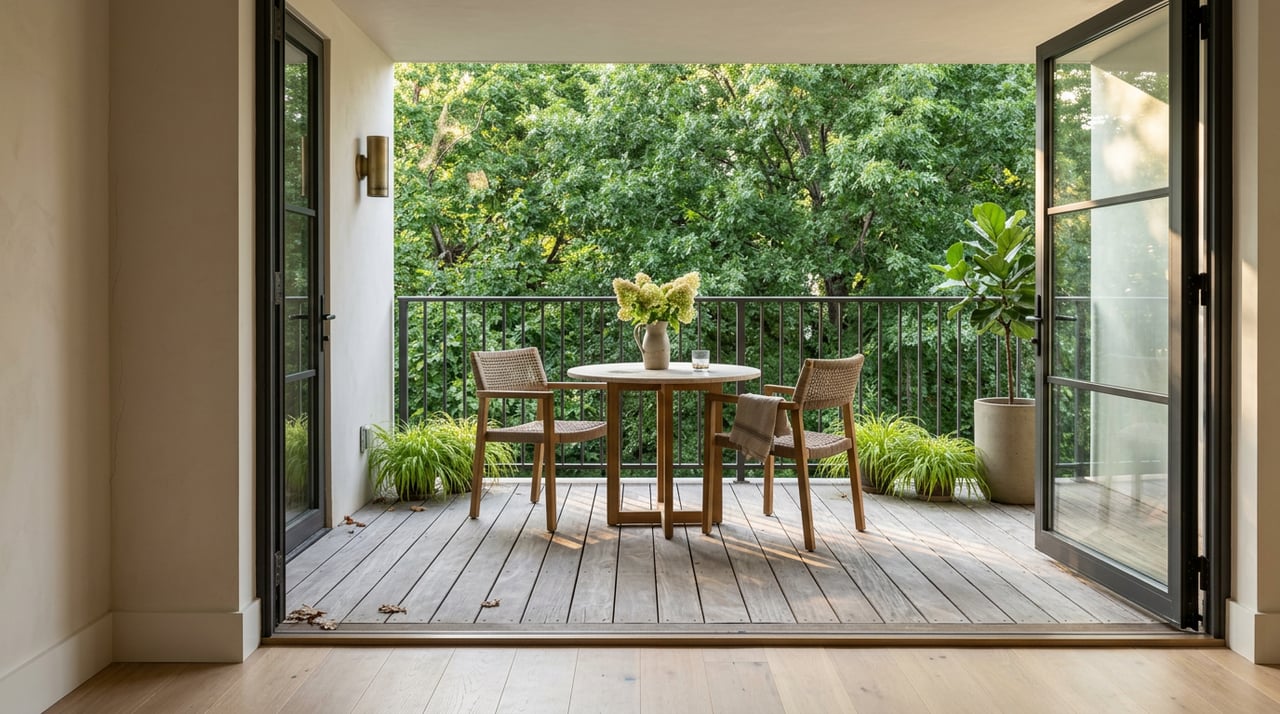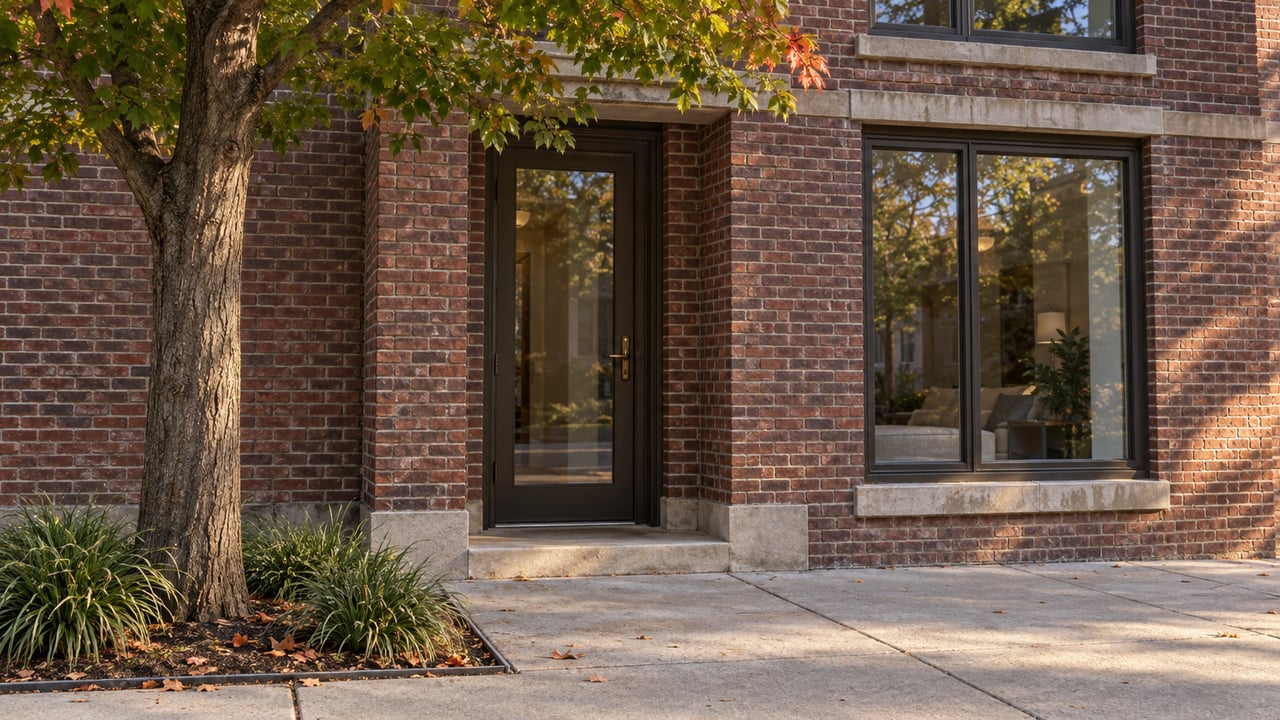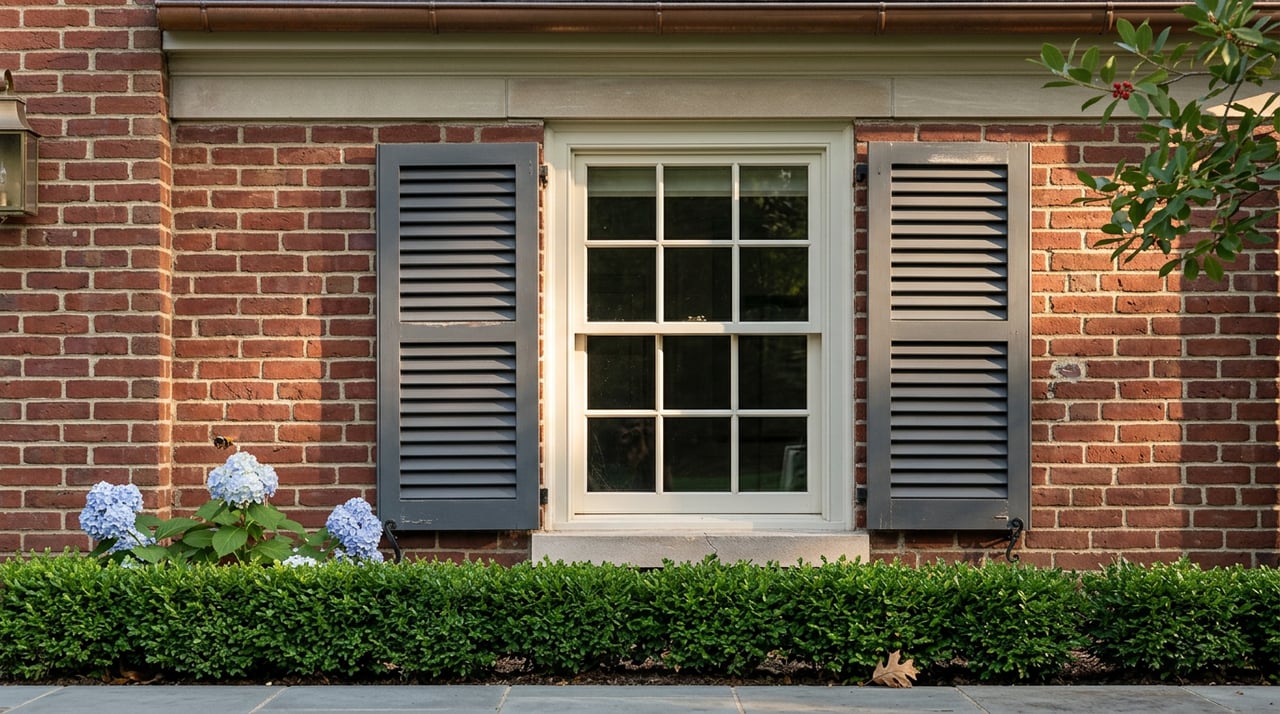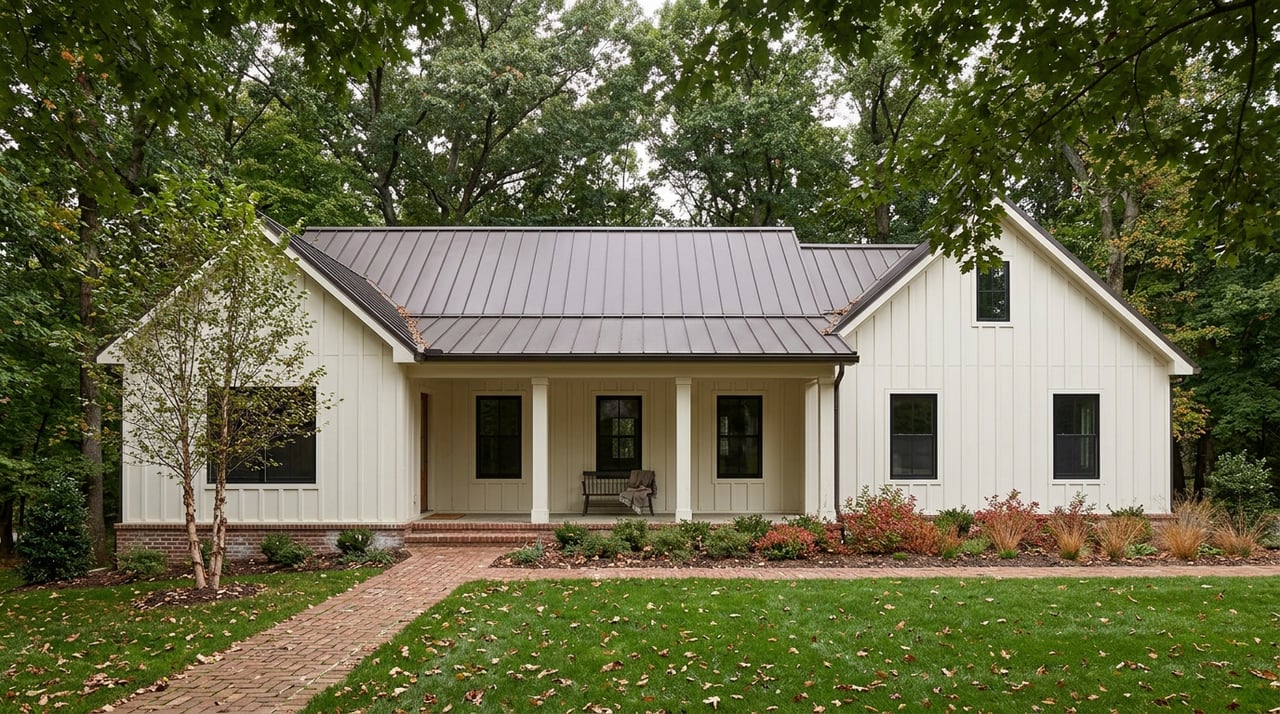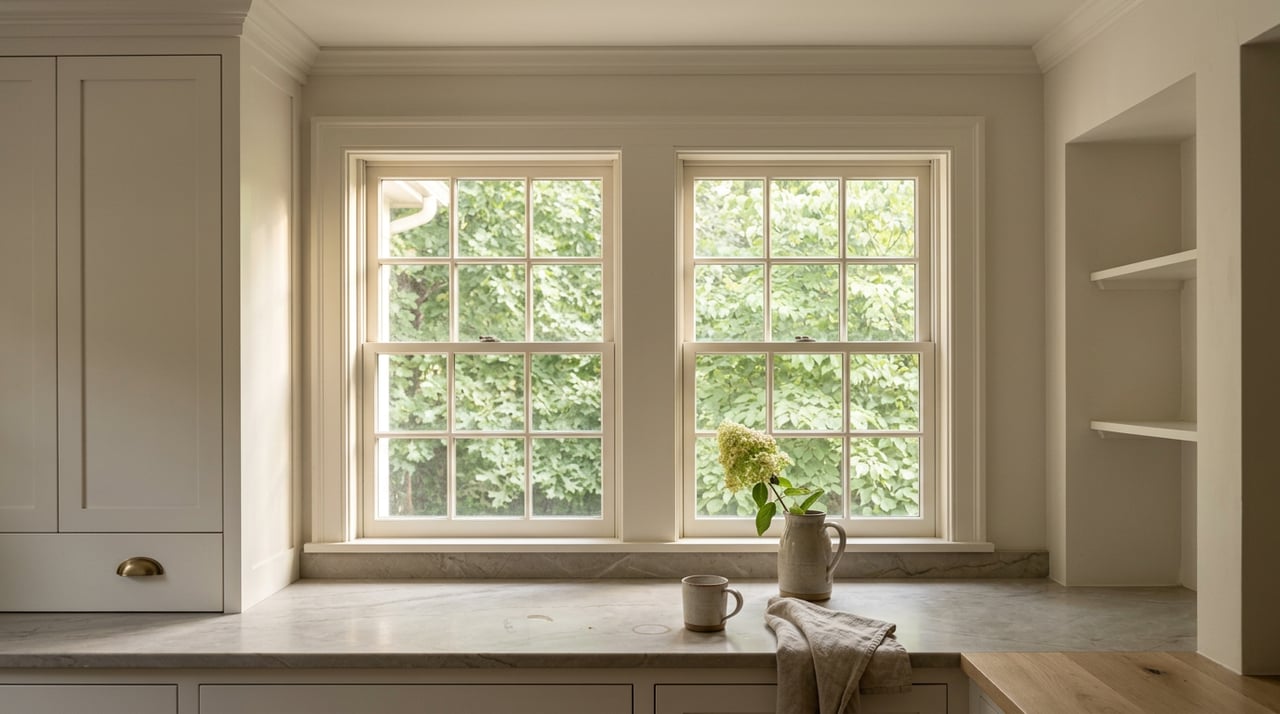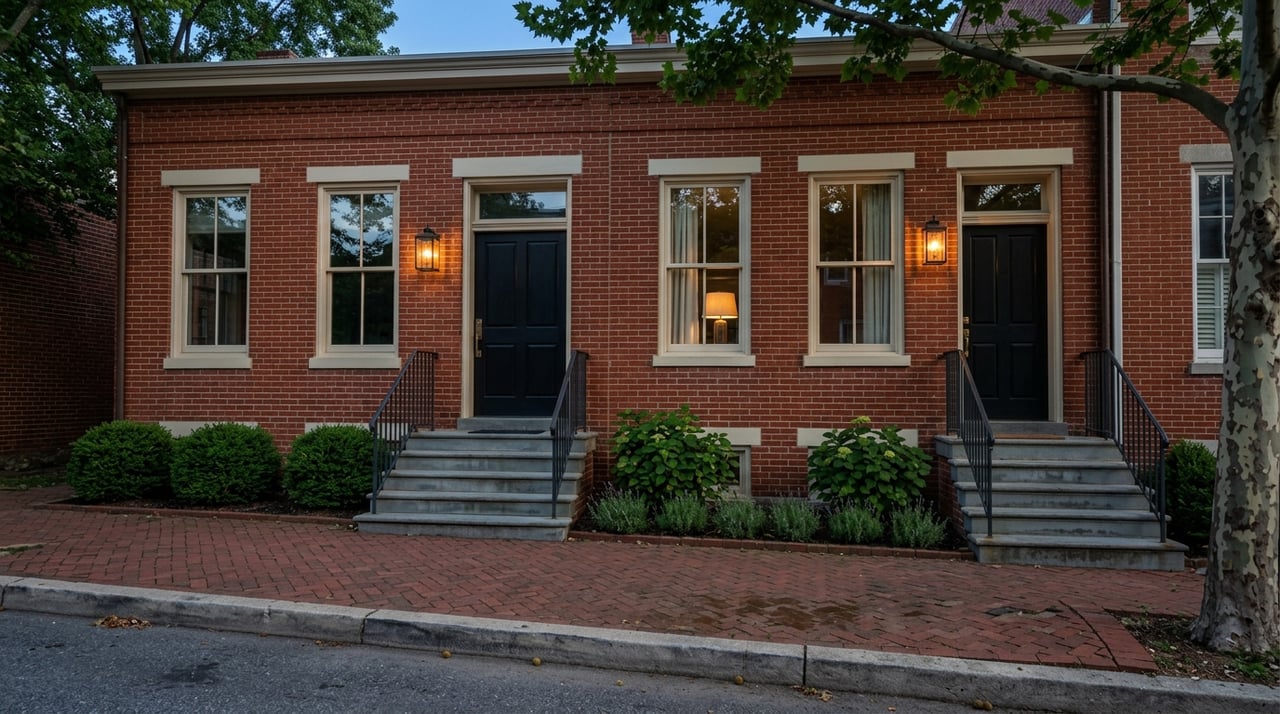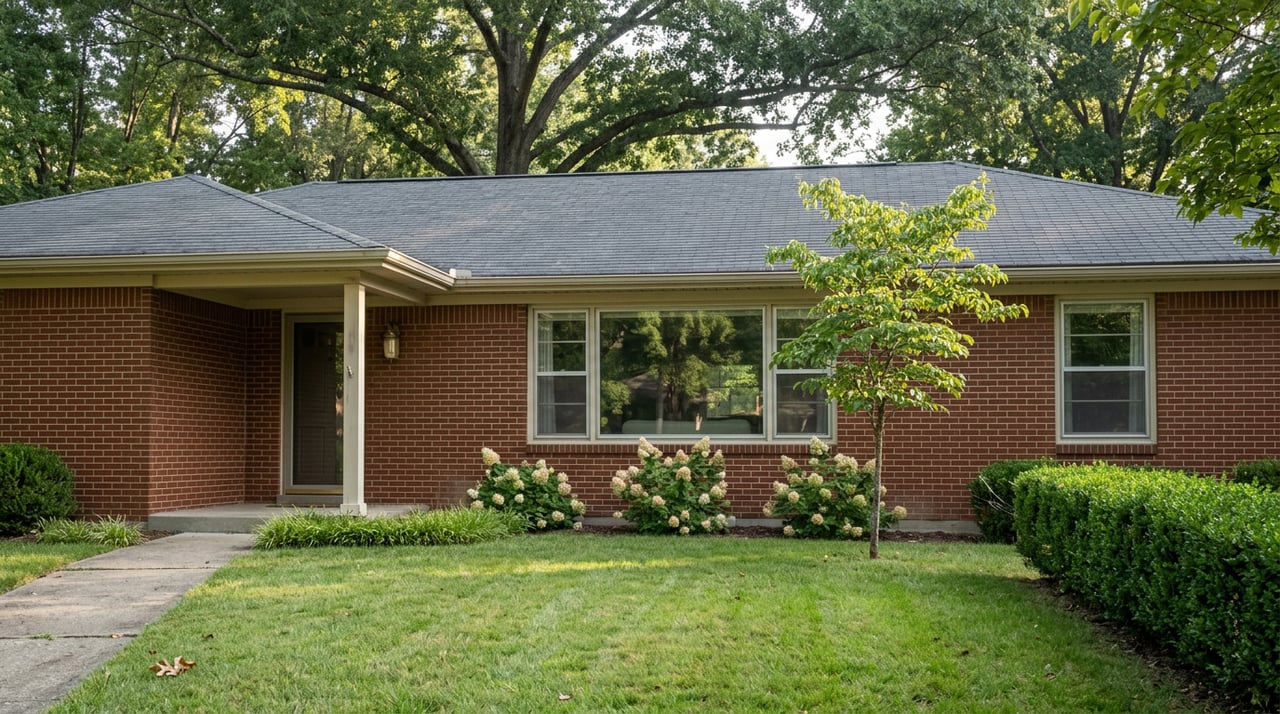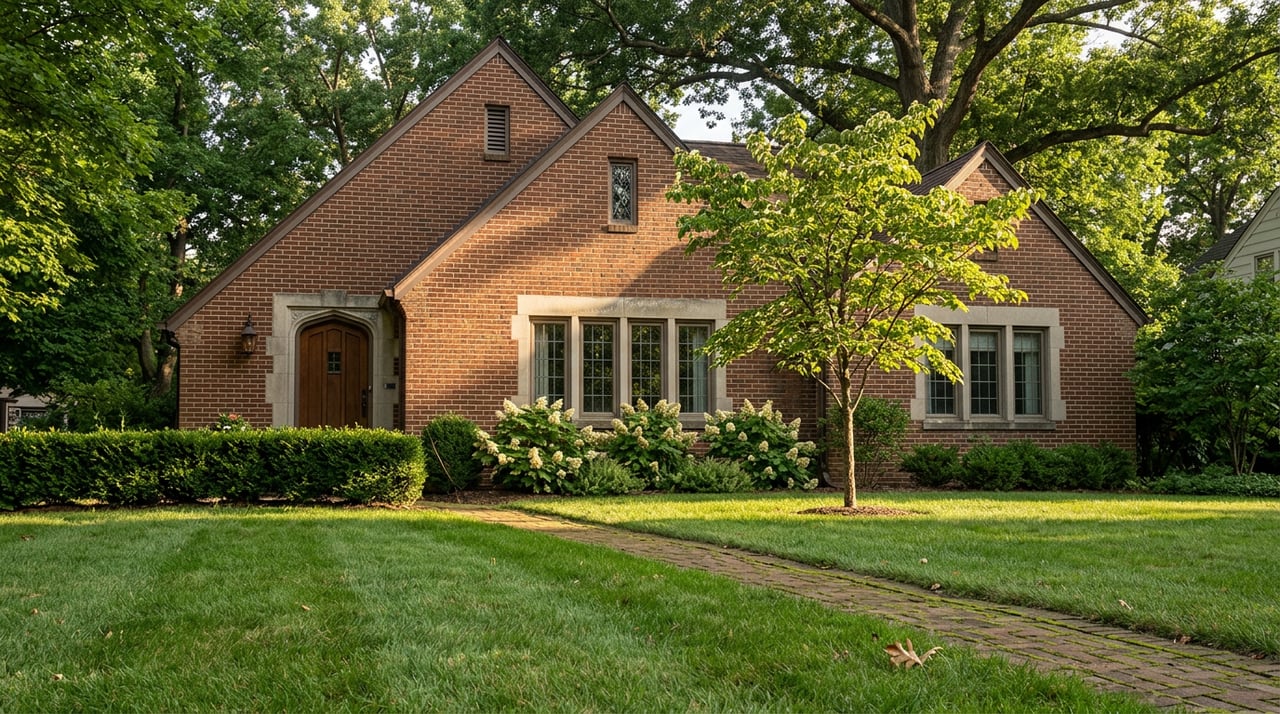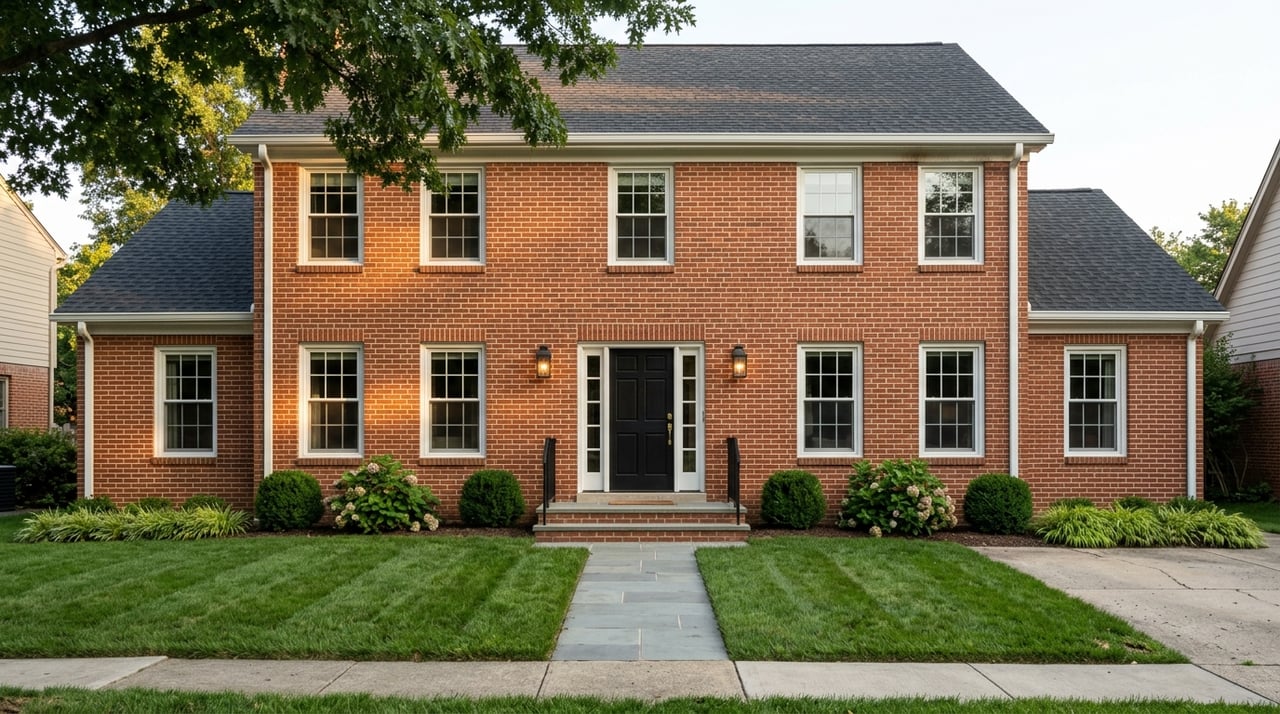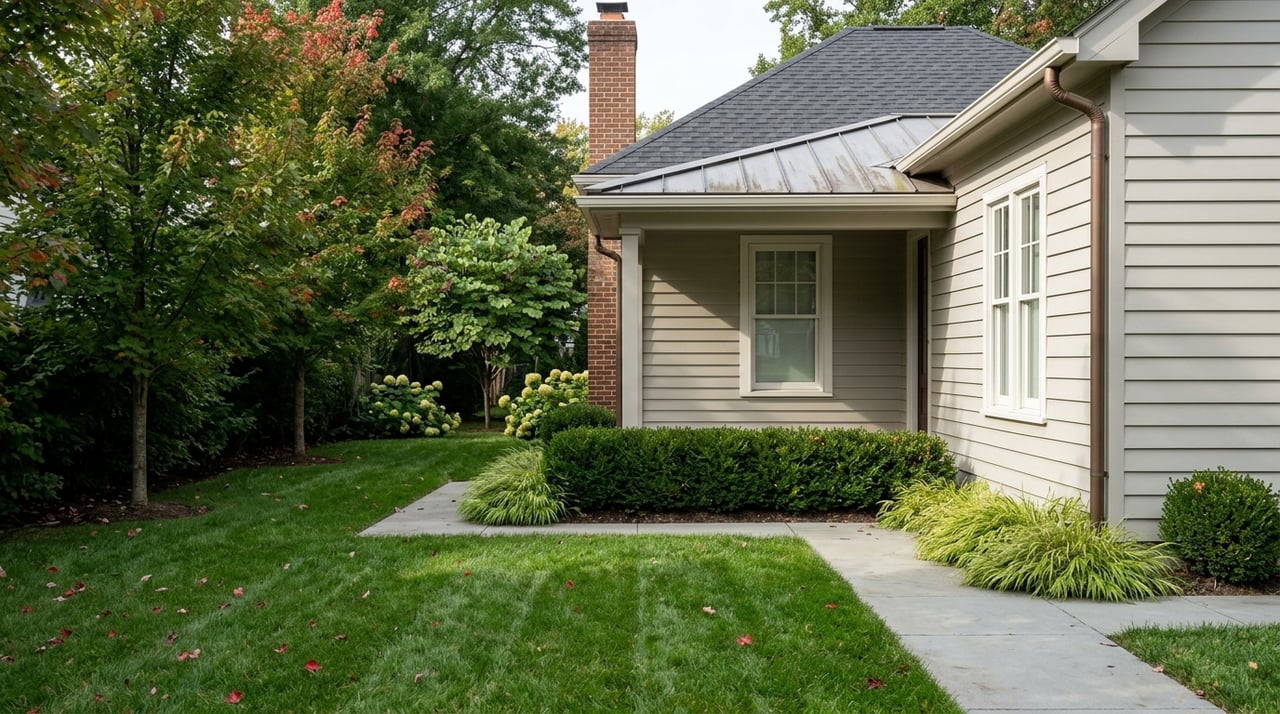
A homeowner on one of Kensington's Victorian-era blocks recently asked a simple question before listing: should new windows go in before the photos are taken? It seemed like the obvious move. Fresh windows read well in listing photos, they signal a well-kept house, and the seller had already priced the job with a contractor who could start the following week.
What the seller didn't know is that the answer isn't about the contractor's schedule. It's about a county review process that starts a clock the moment you file, not the moment you decide to sell, and that clock doesn't care how close your closing date is.
The Line That Actually Determines Your Timeline
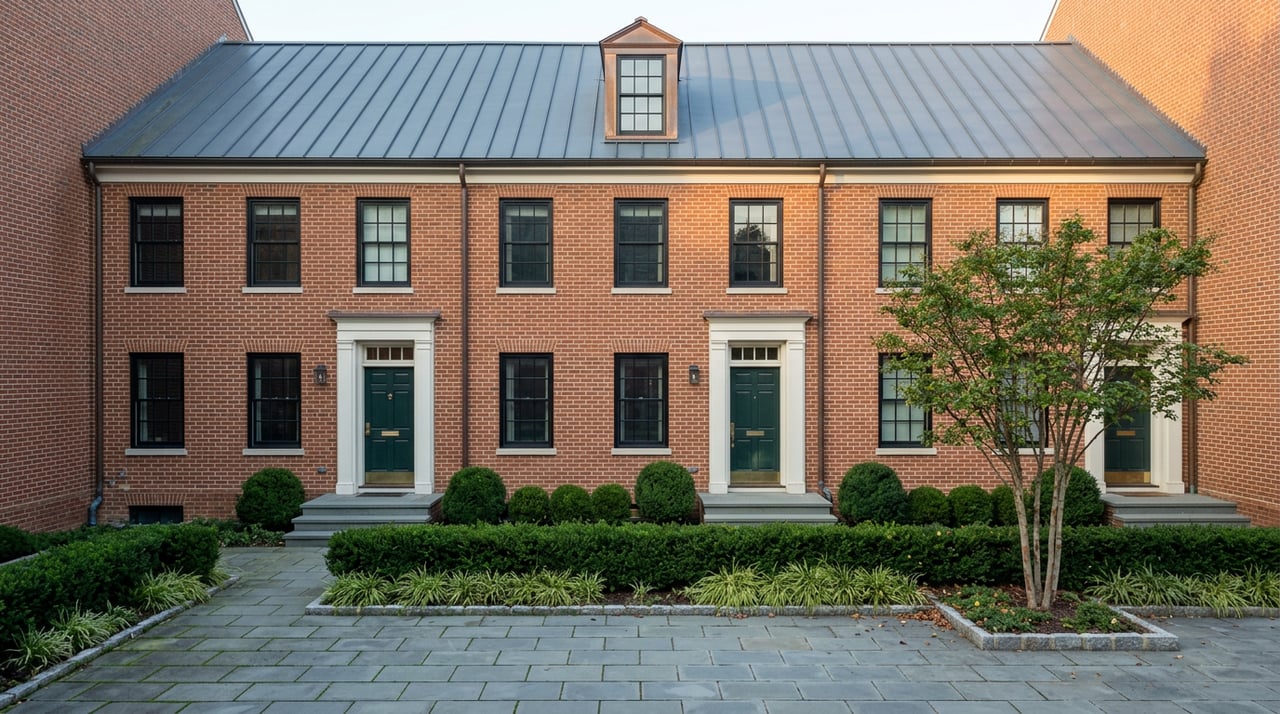
Kensington's historic core sits inside a designated Historic District under Montgomery County's preservation ordinance, Chapter 24A of the county code. That designation draws a hard line between two categories of pre-listing work, and the line isn't where most sellers assume it is.
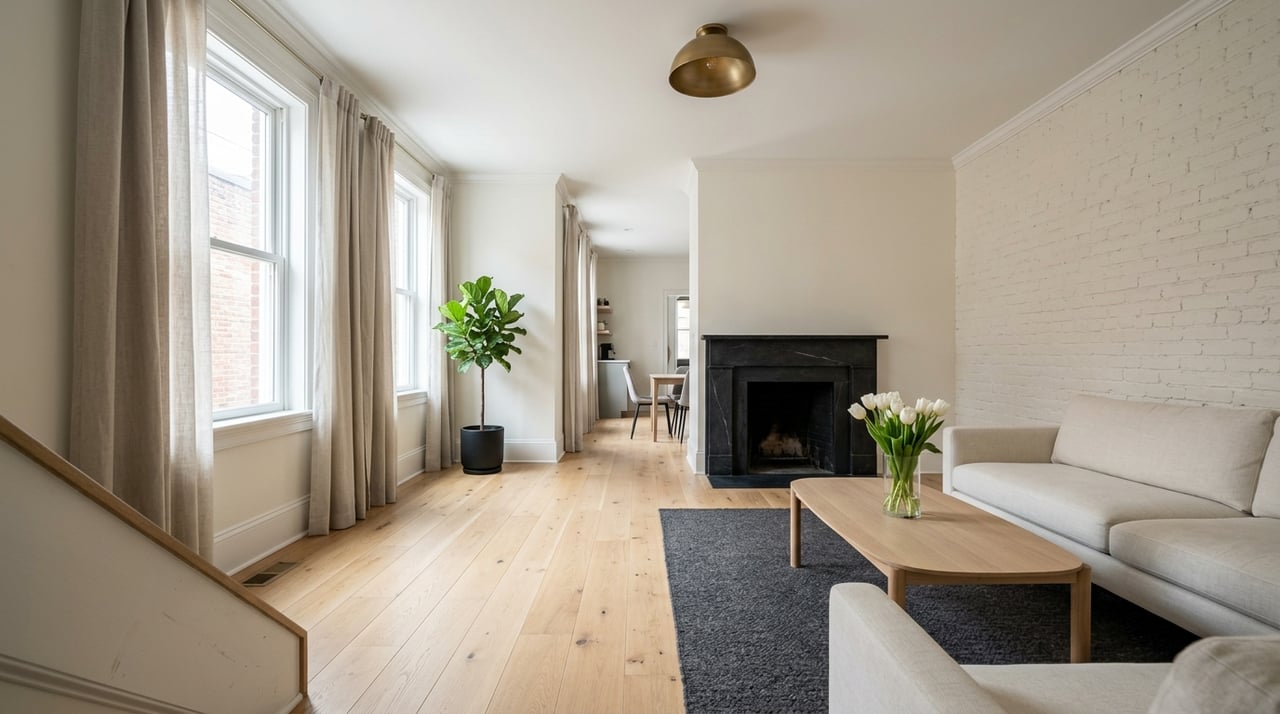
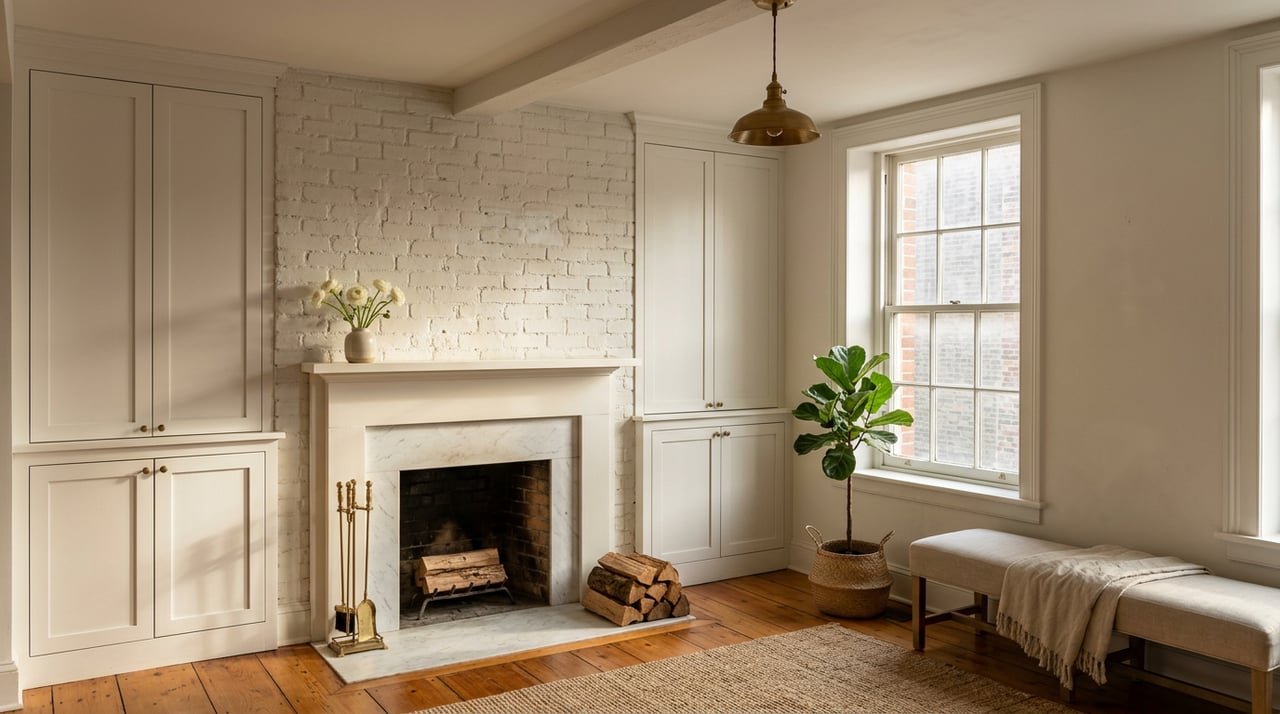
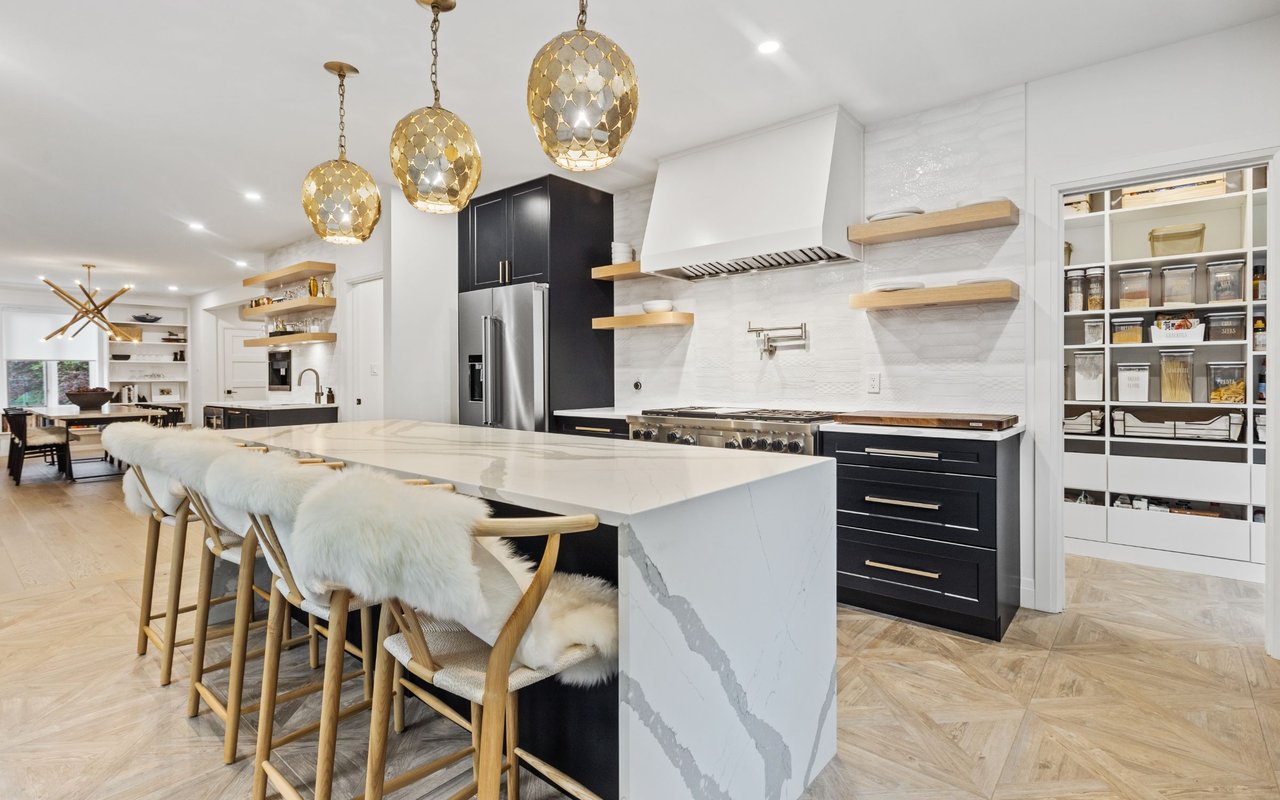
Interior renovation is largely untouched by historic review. Refinishing floors, repainting, updating a kitchen, replacing countertops, none of it requires sign-off from the county's Historic Preservation Commission. Exterior work is a different story. Anything that changes what the house looks like from the street, new windows, a rebuilt porch, roofing, siding, an addition, generally requires a Historic Area Work Permit, or HAWP, before a county building permit can even be issued. Ordinary maintenance that matches existing materials and design is exempt, but a genuine alteration is not.
That means the two renovation categories that feel most similar on a punch list, "replace the old windows" and "redo the kitchen," sit on opposite sides of a regulatory line. One can start Monday. The other needs a county hearing first.
What the Clock Actually Looks Like
The Historic Preservation Commission doesn't charge a fee for a HAWP application, but it does have a process. Once you file, the commission is required to schedule a hearing within 45 days. At that hearing you get roughly seven minutes to present the project before commissioners weigh in. If they ask for design changes, the revised application typically returns on a faster "consent agenda" track rather than a full second hearing, but that still means a first pass, a redesign, and a second review before you have an approved plan you can build to.
There's also a second layer specific to Kensington. Montgomery Planning flags Kensington by name as one of the municipalities where local government review can happen before a HAWP application even reaches the county, alongside Brookeville, Chevy Chase Village, Garrett Park, and Takoma Park. In practice, that means a Kensington homeowner planning exterior work should expect to work through both a Town-level check and the county's Historic Preservation Commission, not one or the other.
None of this is designed to be punishing. The code itself instructs reviewers to be lenient toward homes that aren't individually landmark-significant, applying stricter scrutiny only when a project would damage the character of the surrounding district. Most Kensington houses are contributing structures in a district, not individually designated landmarks, and the review process is built to reflect that distinction. But leniency in judgment doesn't mean speed in scheduling. A straightforward window replacement can still take weeks to clear, even when the outcome is never in doubt.
The Money Most Sellers Never Claim
Here's where the sequencing problem becomes a financial one. Montgomery County offers a Historic Preservation Tax Credit equal to 25 percent of documented costs for exterior restoration or preservation work, applied directly against county real property taxes. If your credit exceeds what you owe in a given year, the unused portion carries forward for up to five years.
The catch is procedural, not aesthetic. To qualify, the work has to be done under an approved HAWP, or, for ordinary maintenance over $1,000, properly documented as such. The application window closes April 1 of the year following the work. A seller who replaces windows without going through the HAWP process, either because they didn't know or because they were racing a listing date, doesn't just risk a compliance problem. They forfeit a credit worth a quarter of the job, permanently, because the eligibility runs through the permit they skipped.
| If you do this | What you get |
|---|---|
| File HAWP, get approval, then do the work | Eligible for 25% tax credit on exterior restoration costs |
| Do exterior work first, file HAWP after (or not at all) | No credit eligibility, and the work may not be recognized as approved |
| Interior renovation | No HAWP needed, no credit available, but no delay either |
The math only works one direction. Plan the paperwork before the contractor shows up, not after.
A Number Specific to Kensington, Not the County
One more fact is worth knowing before you price any renovation against your expected sale proceeds. Most of Montgomery County caps annual taxable assessment growth at 10 percent under the state's Homestead Property Tax Credit program. Kensington is the exception. The Town elected a 5 percent cap effective for levy year 2006, meaning assessment increases above that threshold get absorbed into the credit rather than the tax bill, at a tighter rate than almost anywhere else in the county.
For a seller, this matters less as a renovation incentive and more as a reality check on your own tax history. If your assessed value has grown steadily while you've owned the home, Kensington's lower cap is part of why your bill didn't track the full increase. It's a detail worth having ready when a buyer's agent or appraiser asks why the current tax bill looks the way it does relative to comparable homes just outside Town limits.
What a Real Project Looks Like Going Through This Process
The scale of review isn't limited to modest single-family updates. A 2024 staff report on a full site rehabilitation at 10212 Montgomery Avenue, the former Brainard Warner estate house sited in Warner Circle Park, walked through more than thirty individual revisions to the historic manor and its carriage house, including enlarged window openings and the removal of a later concrete ramp. Staff found the revisions would not substantially alter the character of the historic buildings and recommended approval, even at that scale.
That's the pattern worth taking from it. Applicants who design to the preservation standards before they file tend to move through review as a formality. Applicants who renovate first and explain later create the friction that turns a straightforward project into a stalled one.
Sequencing Your Pre-Listing Punch List
If you're preparing a Kensington Historic District home for market, the order of operations matters more than the total scope of work.
Start with interior updates. Paint, flooring, kitchen and bath refreshes, none of it touches HAWP review, and all of it can move on a normal contractor timeline right up until you're ready to list. If you're using a program like Compass Concierge to front the cost of pre-listing improvements, this is where that kind of support does the most good with the least regulatory friction.
If your list includes anything exterior, windows, a porch rebuild, roofing, siding, treat the HAWP filing as the first task, not the last. File before you set a listing date, not after. Build in the 45-day hearing window as a floor, not a worst case. And if the project is the kind that could qualify for the 25 percent tax credit, file the credit application in the spring following the work, by April 1, so you're not leaving money on the table because the calendar moved faster than the paperwork.
A Few Questions Worth Settling Early
Does this apply to condos in Kensington, or just single-family homes? The Historic District designation and HAWP requirement apply to properties within the district's boundaries and to individually listed historic sites, regardless of home type, so it's worth confirming a specific property's status rather than assuming based on style or age.
What if exterior work was already done years ago without a permit? Unpermitted historic-district alterations can surface during a buyer's due diligence, whether through an inspector noticing mismatched materials or a title company flagging the history. Sorting that out before you list gives you more control than discovering it mid-contract.
Is interior work ever affected by the historic designation? Generally no. The county's guidance is consistent that interior work, gardening, and ordinary exterior maintenance using matching materials fall outside HAWP jurisdiction, which is exactly why interior updates remain the fastest lever available to a seller on a timeline.
Kensington's historic character is part of what makes the town worth the premium buyers pay for it. Knowing which improvements move fast and which ones need a head start is the difference between a renovation that pays for itself and one that eats into your timeline for no return.
If you're weighing a pre-listing renovation against a HAWP timeline, or just want a second opinion on which updates are worth the sequencing, Brenda Gail Brown has walked Kensington sellers through exactly this kind of planning. Let's Connect before you pick up the phone for a contractor quote.