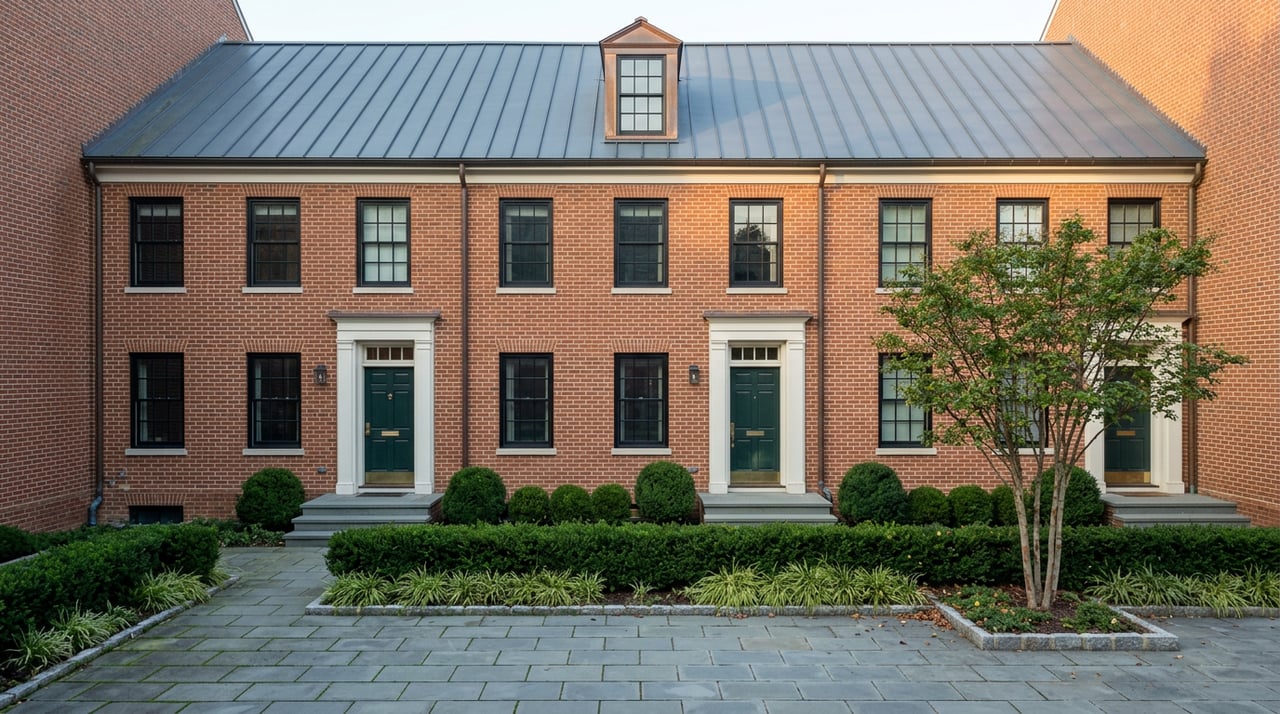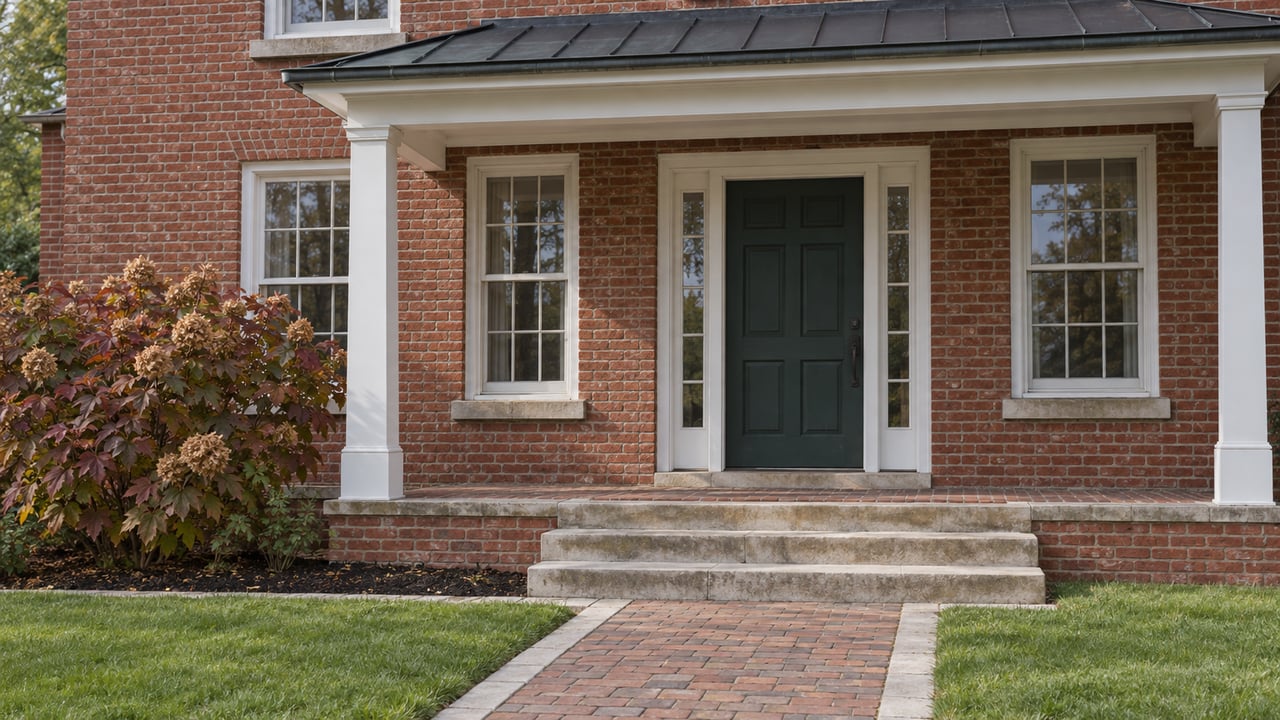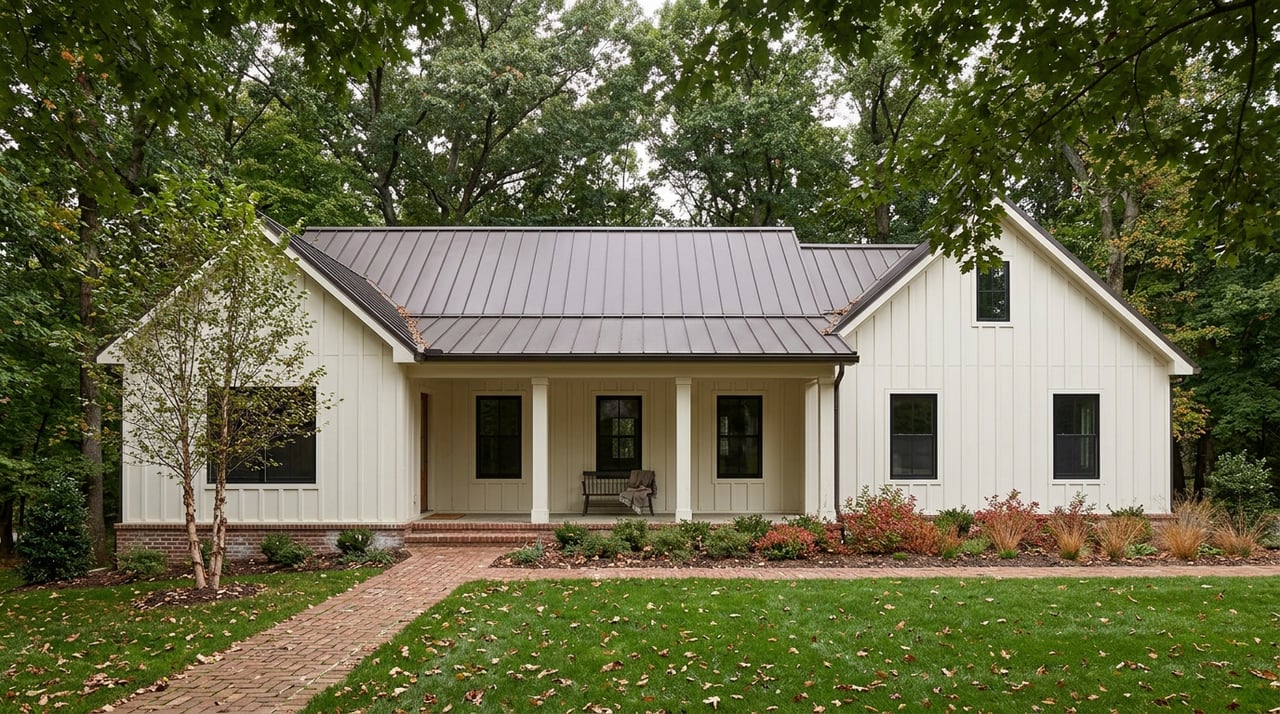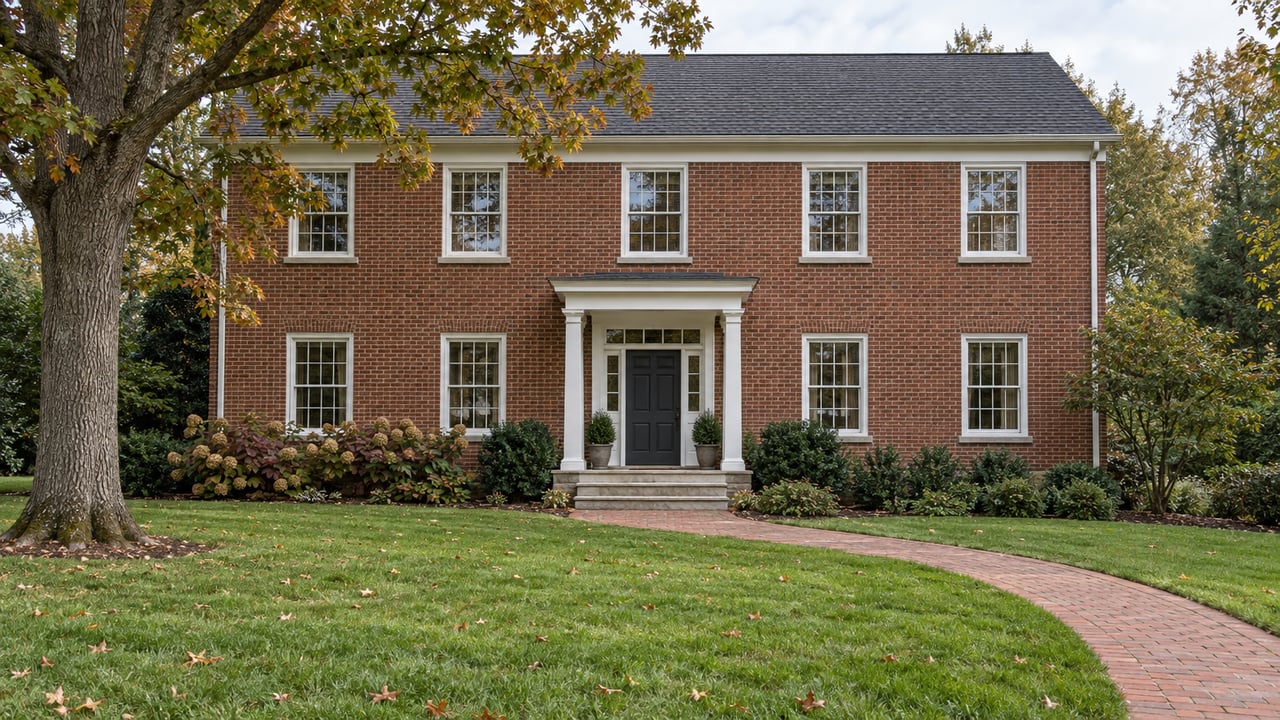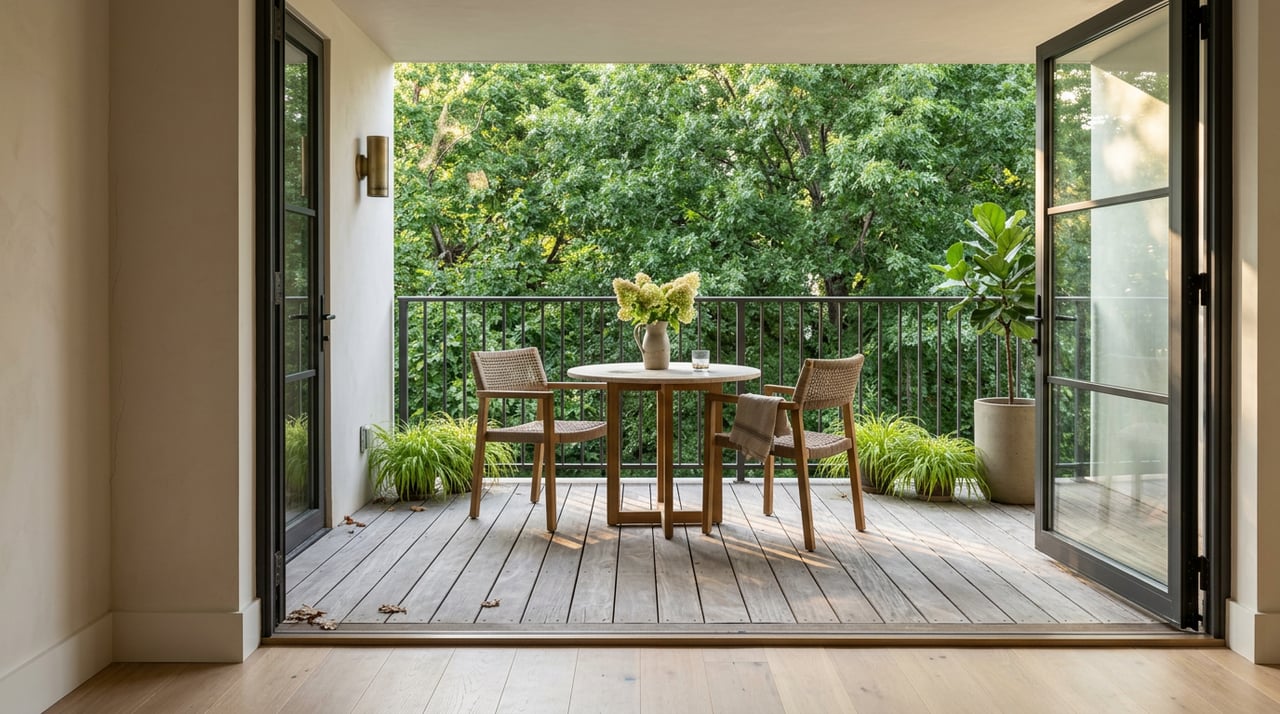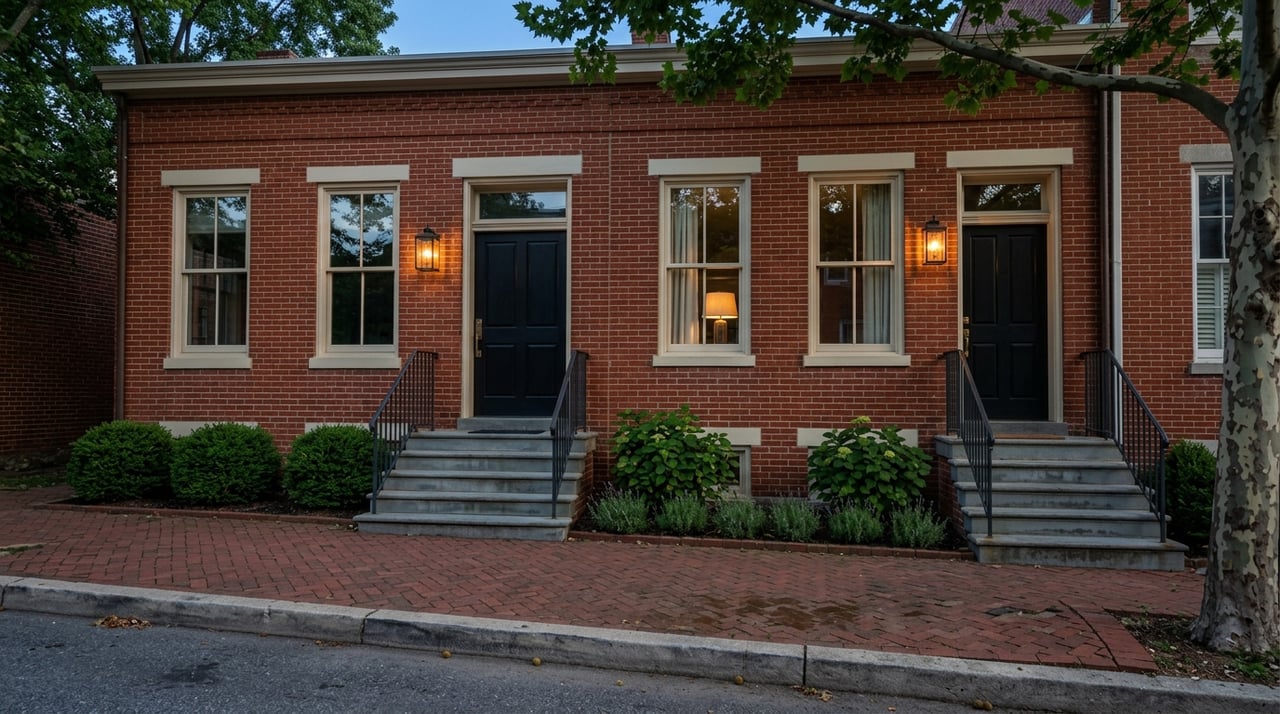
If you are getting ready to sell an Old Town Alexandria home, it is easy to wonder where to spend money and where to leave well enough alone. In a historic neighborhood, the answer is rarely about doing more. It is about doing the right work, in the right order, so your home shows well, avoids preventable buyer objections, and respects local preservation rules. Let’s dive in.
Why strategy matters in Old Town
Old Town remains a market where presentation and condition matter. Redfin reports that homes in Old Town averaged about $1.07 million in May 2026, went pending in about 16.5 days, and sold about 1% above list price over the last three months.
That sounds fast, but quick sales do not mean buyers overlook flaws. The 2025 Remodeling Impact Report from NAR says 46% of home buyers are less willing to compromise on a home’s condition when purchasing. In other words, buyers may move quickly, but they are still comparing finish level, upkeep, and overall readiness.
For Old Town sellers, there is another layer to consider. The City of Alexandria notes that the Old & Historic Alexandria District is one of the country’s oldest local historic districts, and exterior changes visible from a public right-of-way may require Board of Architectural Review approval. Interior work does not require BAR approval.
Start with the updates buyers notice first
Before you think about large projects, focus on the issues that show up immediately in photos and during showings. Scuffed walls, tired finishes, cluttered rooms, and deferred maintenance can make buyers assume there are larger problems behind the scenes.
A smart pre-listing plan usually follows a simple order:
- Fix obvious defects
- Refresh the most visible surfaces
- Improve presentation
- Consider small targeted kitchen or bath updates
- Avoid over-improving beyond the neighborhood standard
This approach helps you remove objections without spending heavily on changes that may not improve your result.
Paint is usually the first move
Fresh paint is one of the simplest ways to make an older home feel cleaner, brighter, and more cohesive. According to NAR’s 2025 Remodeling Impact Report, Realtors most often recommend painting the entire home before listing, with 50% recommending a full interior paint job and 41% recommending painting a single interior room.
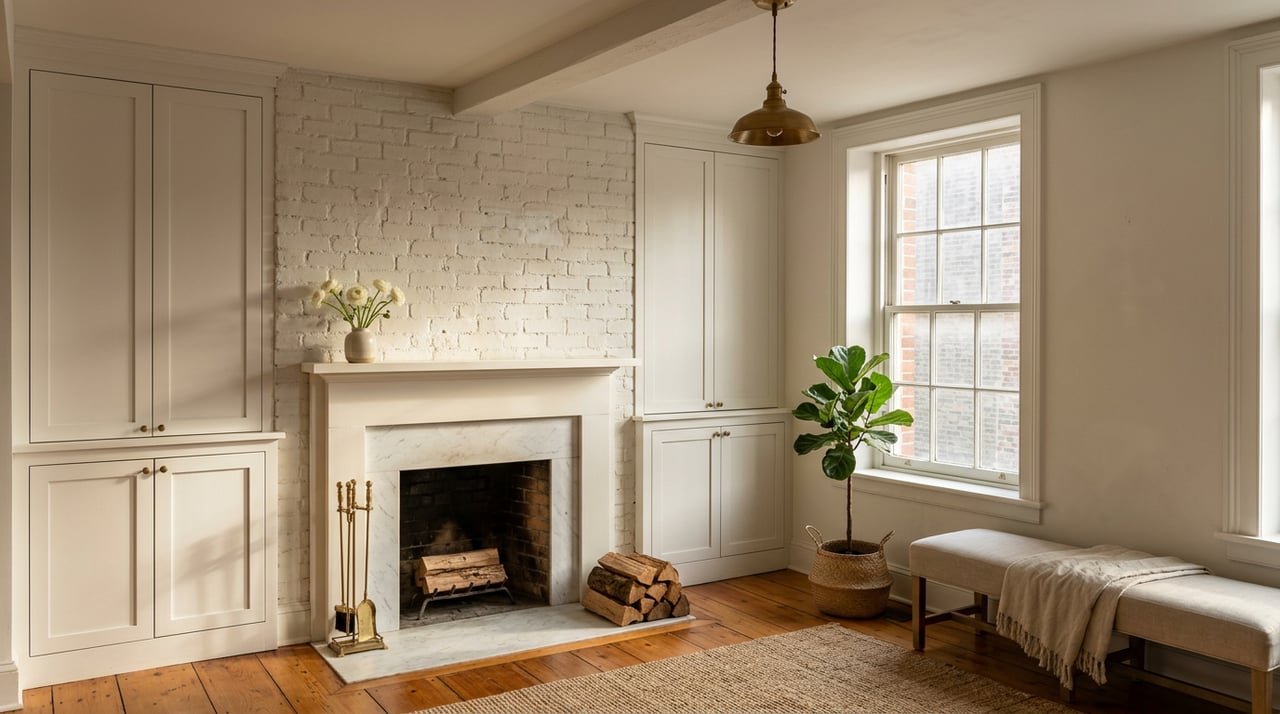
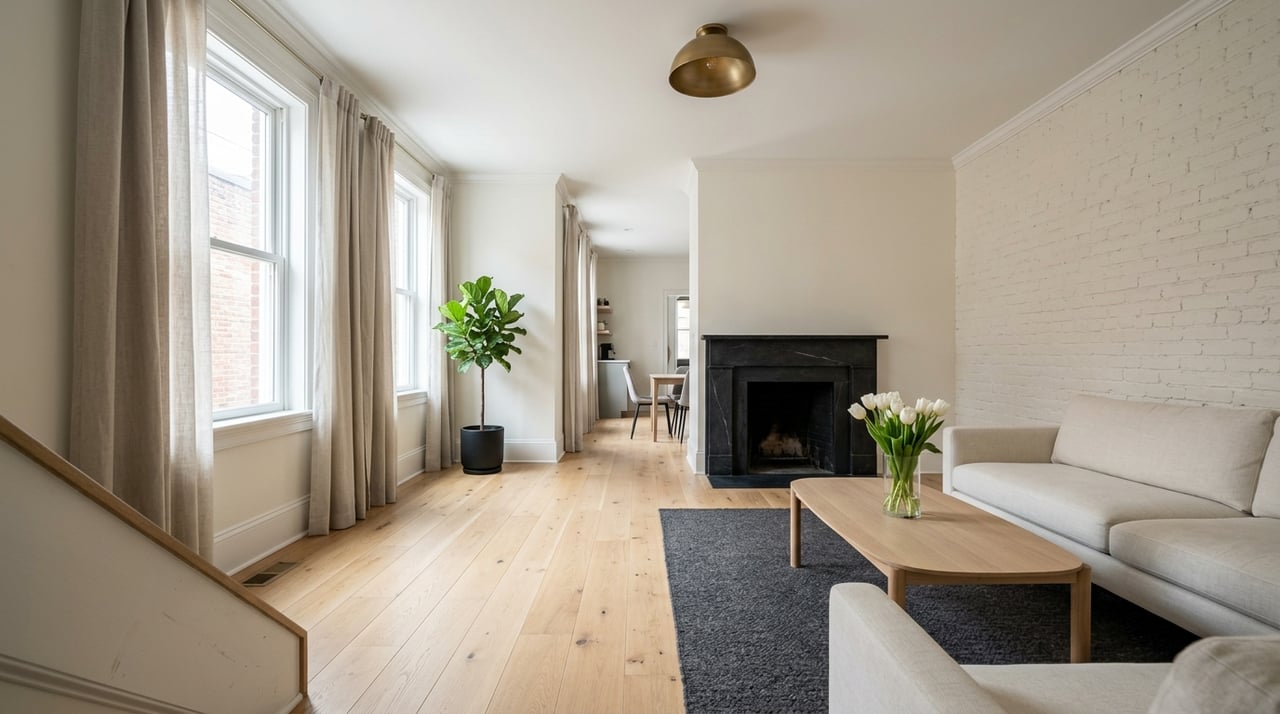
In many Old Town homes, neutral paint helps architectural details stand out. Trim, moldings, ceiling height, and natural light often read better when the backdrop is fresh and consistent instead of worn or highly personalized.
If your budget is limited, prioritize the rooms buyers will study most closely. Entry spaces, living areas, kitchens, and primary bedrooms tend to deliver the biggest visual impact.
Refinish hardwood floors before replacing them
Many Old Town homes have hardwood floors that add warmth and character. If the boards are sound, refinishing is often a stronger move than replacing them.
NAR’s 2022 Remodeling Impact Report found that hardwood floor refinishing had an estimated 147% cost recovery at resale, making it the strongest interior return on investment in that report. That is especially relevant in older homes where original flooring can be part of the home’s appeal.
If floors are scratched, dull, or uneven in color, refinishing can change the feel of the entire house. It signals care, supports better photography, and helps buyers focus on the home itself instead of a project list.
Use kitchen and bath refreshes selectively
You do not always need a full renovation to make a kitchen or bath feel more current. In fact, smaller updates are often the better strategy before listing.
NAR’s 2025 report says Realtors have seen the strongest increase in demand for kitchen upgrades at 48% and bathroom renovations at 35%. That does not mean every seller should start from scratch. It means buyers are paying attention to these spaces.
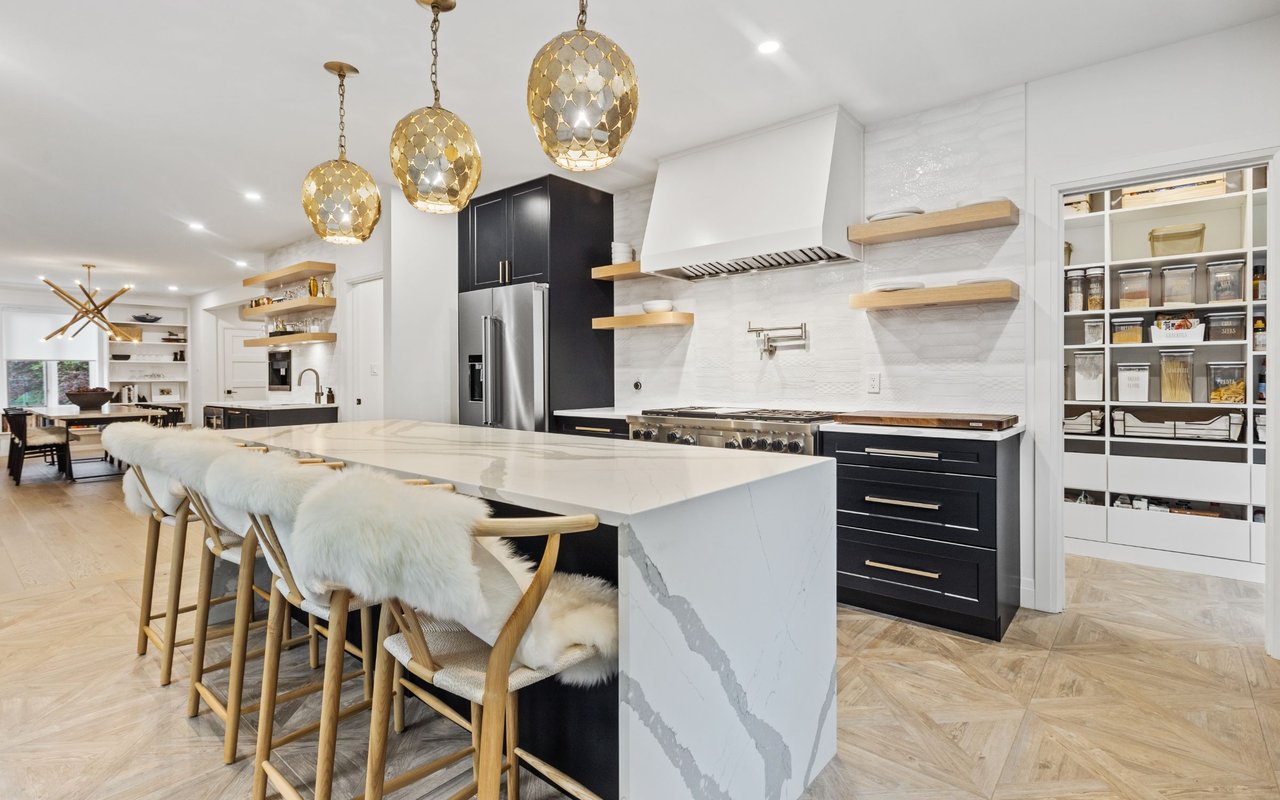
A focused refresh may include:
- Replacing dated pulls or handles
- Updating lighting for a more coordinated look
- Refreshing a backsplash or countertop when needed
- Deep cleaning surfaces, grout, and fixtures
- Repairing visible wear that makes the room feel neglected
In Old Town, the goal is often to make these rooms feel clean, functional, and aligned with the home’s overall style. You want buyers to see an updated home, not a half-finished project or an overbuilt renovation that does not fit the property.
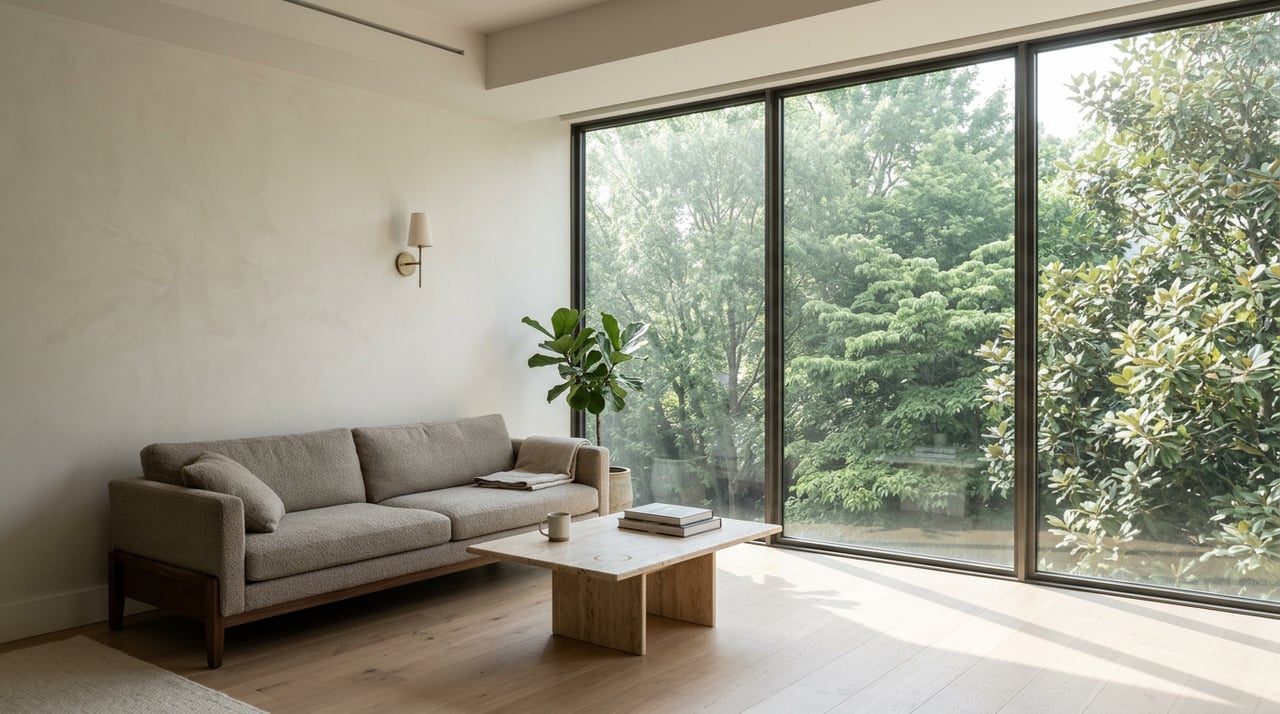
Declutter, correct faults, and consider staging
Presentation can influence both buyer interest and sale timing. NAR’s 2025 staging report says 29% of agents reported that staging increased the dollar value offered by 1% to 10%, and 49% said staging reduced time on market.
That said, not every home needs full staging. The same report found that 51% of sellers’ agents do not stage every listing and instead recommend decluttering or correcting property faults.
For many Old Town sellers, that is the right middle ground. Start by removing extra furniture, personal items, and anything that makes rooms feel crowded. Then address obvious issues such as worn caulk, loose hardware, burnt-out bulbs, stained grout, or damaged paint.
If the home is vacant, unusually shaped, or visually busy, staging may help buyers understand scale and flow. If the home is occupied and already furnished well, editing and simplifying may be enough.
Keep curb appeal modest and polished
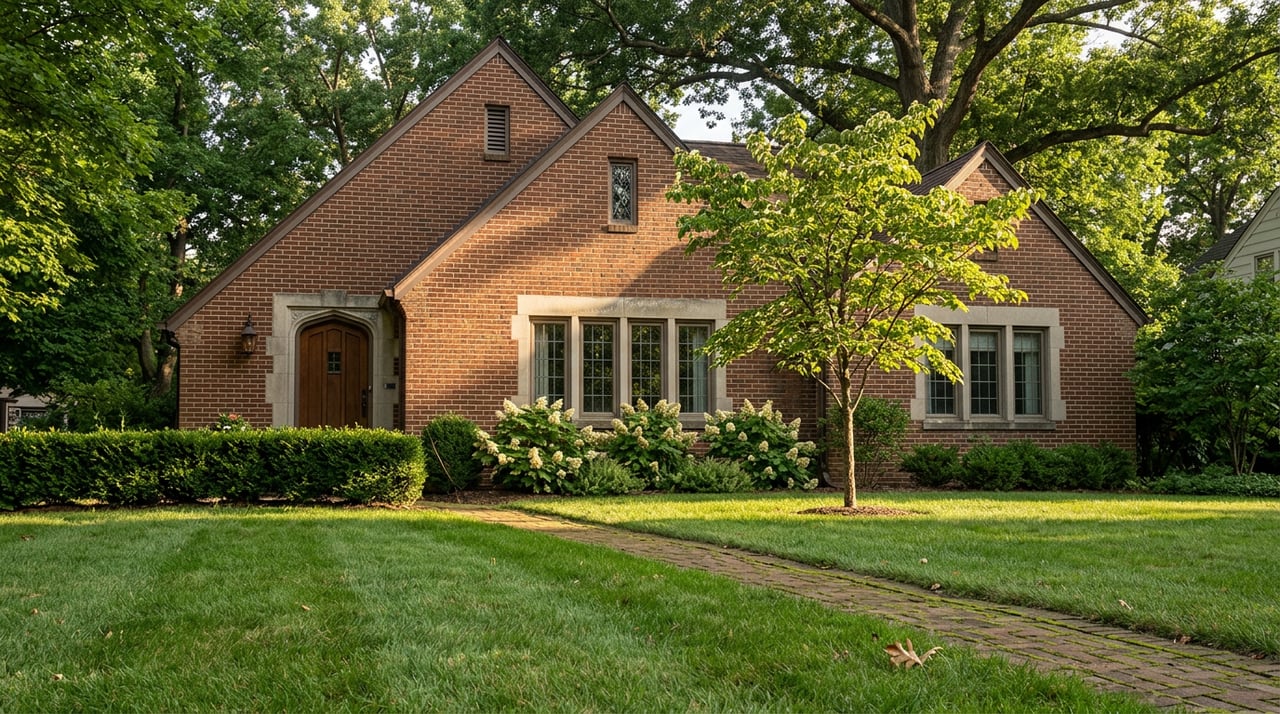
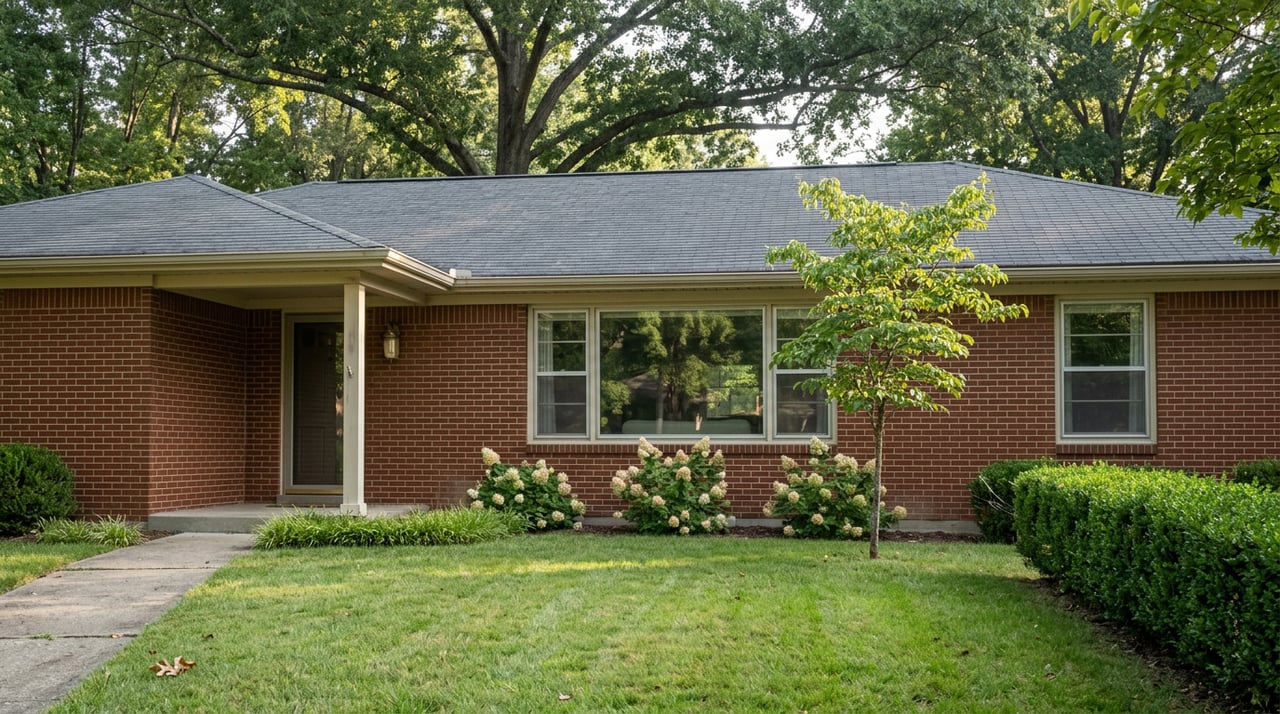
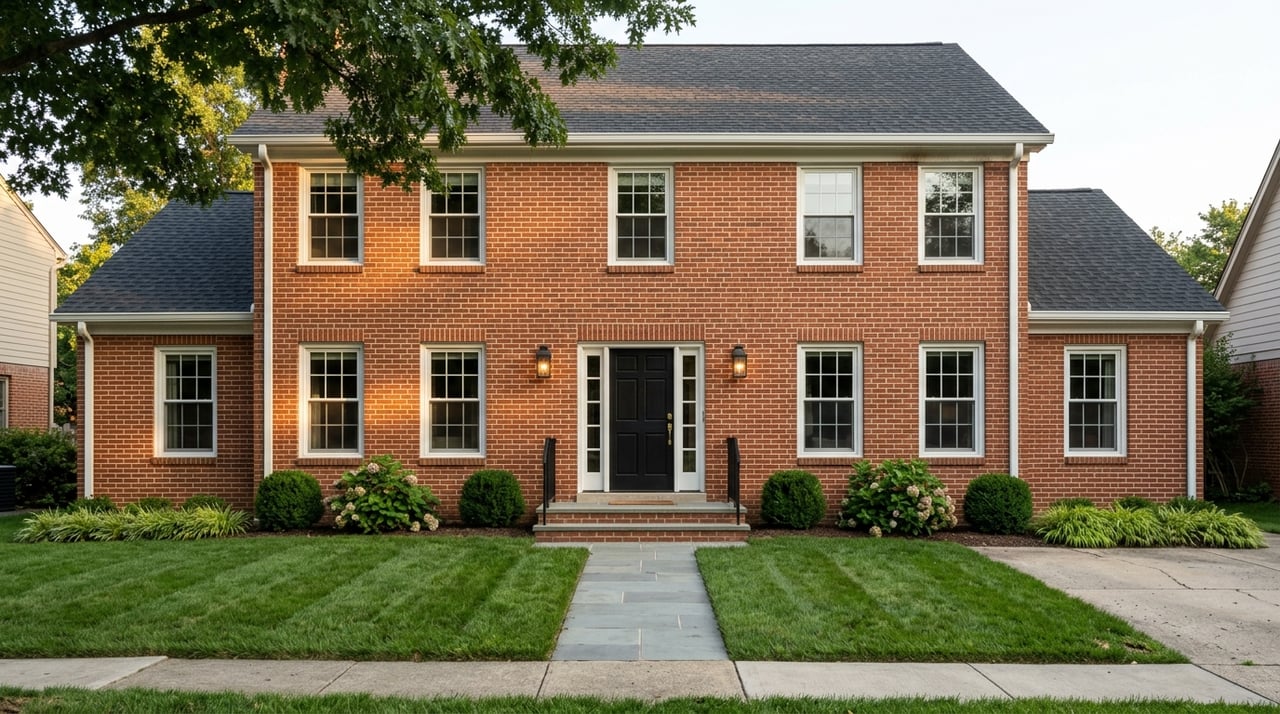
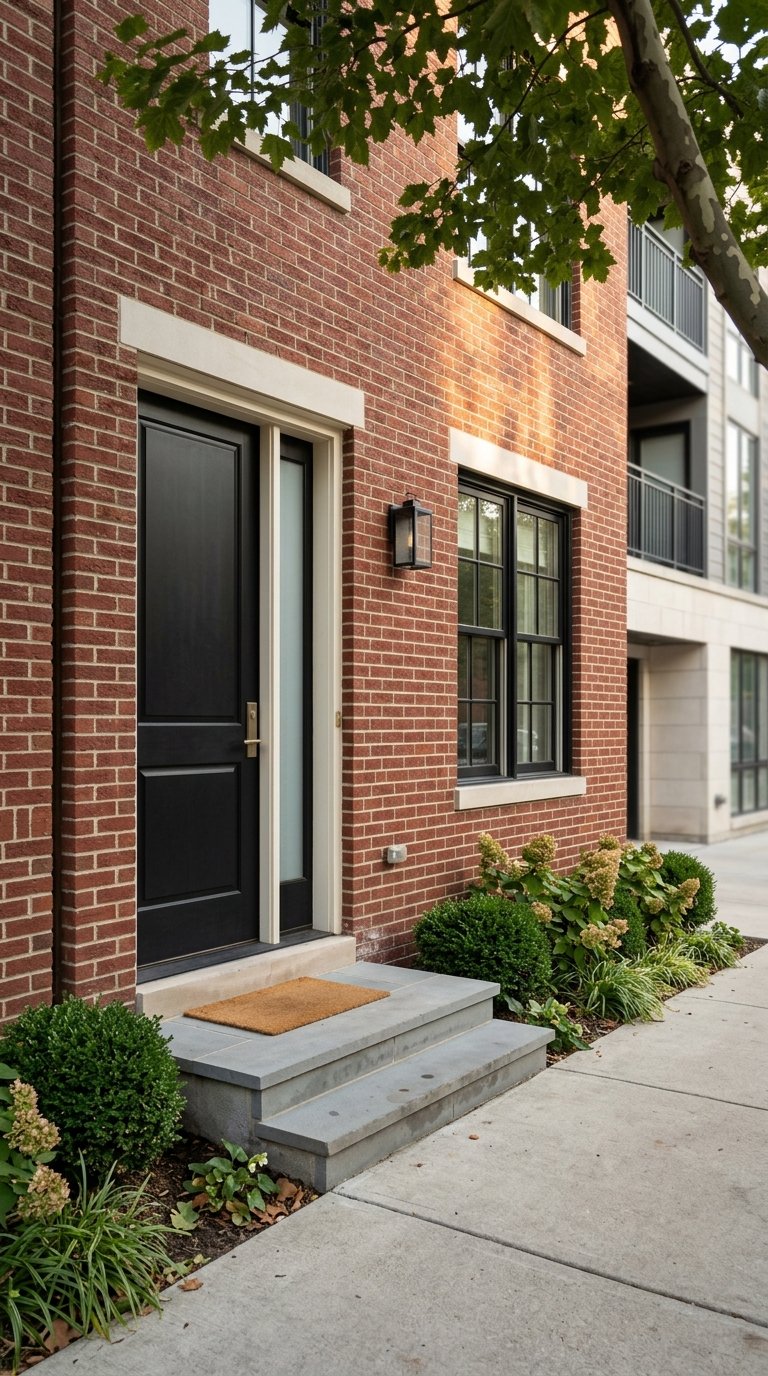
First impressions start before buyers step inside. NAR’s 2023 Outdoor Features report says 92% of Realtors recommend improving curb appeal before listing, with standard lawn care and landscape maintenance standing out as high-return projects.
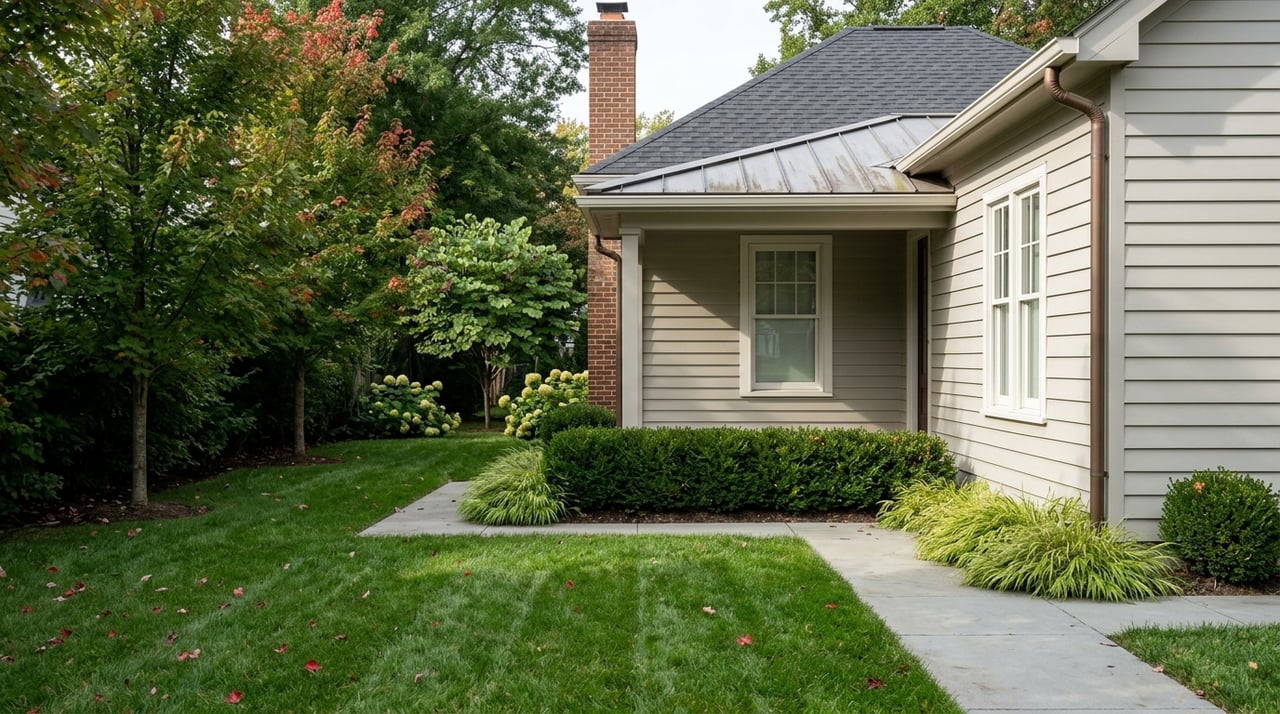
In Old Town, curb appeal usually does not mean a dramatic landscape redesign. More often, it means a neat and intentional exterior that feels well cared for.
That can include:
- Tidying planting beds
- Trimming shrubs
- Cleaning the front entry
- Touching up visible wear where appropriate
- Making sure exterior lighting and hardware look clean and functional
For attached homes and smaller lots, even small changes can have a strong effect. A clean stoop, fresh container plantings, and a tidy front door area can shape the buyer’s impression immediately.
Know the historic-district rules before exterior work
This is where Old Town differs from many other markets. Before you change a façade or order exterior replacements, confirm whether the property is in a locally regulated district or covered by a 100-year-old building designation.
The City of Alexandria states that a Certificate of Appropriateness is required for new construction and exterior alterations visible from a public right-of-way in a local historic district. Interior work does not require BAR approval.
That means timing matters. If you wait too long to investigate an exterior project, you could create delays, added expense, or last-minute scope changes just as you are preparing to list.
Windows: repair before replacing
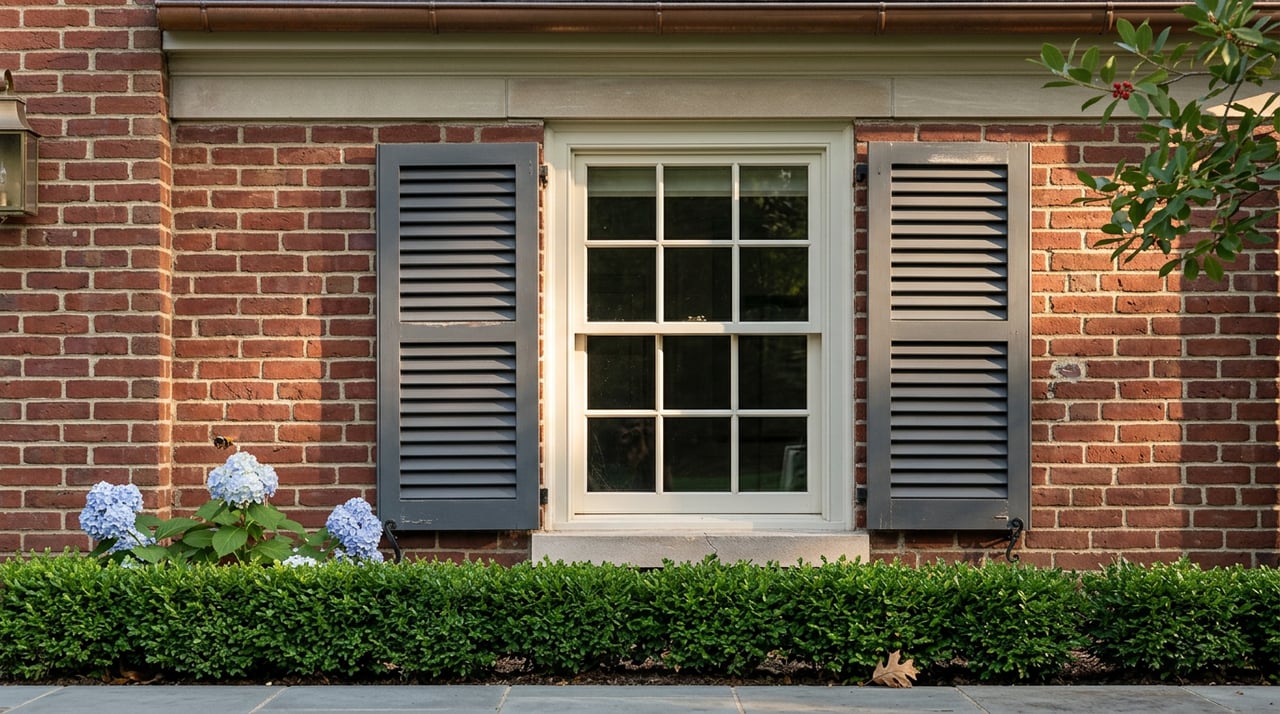
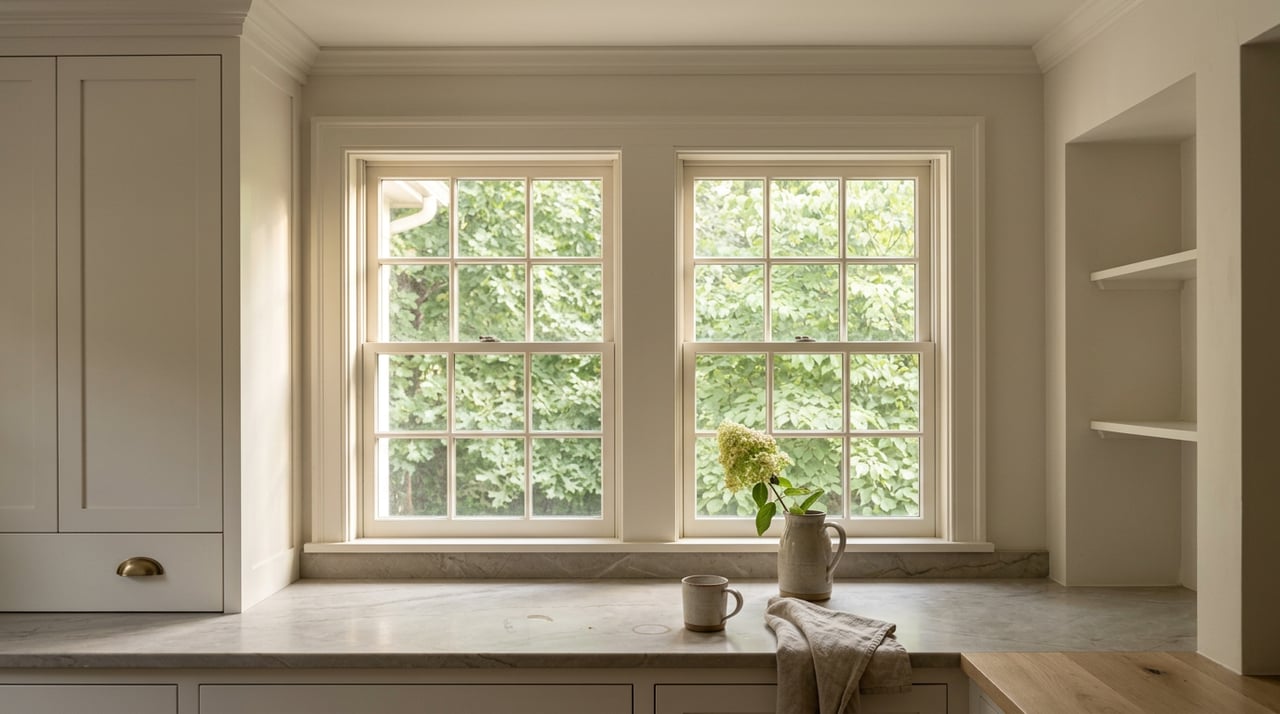
Alexandria’s guidelines say window frames, sashes, and glass should be repaired rather than replaced when possible. The City also says replacement windows should fit the original opening, insert windows are not appropriate, and vinyl windows are not appropriate.
For sellers, that usually means restoration or repair should be considered before launching a full replacement project. If your windows are functional and consistent with the home, careful service may be the more practical and cost-conscious choice.
Doors: preserve the home’s style
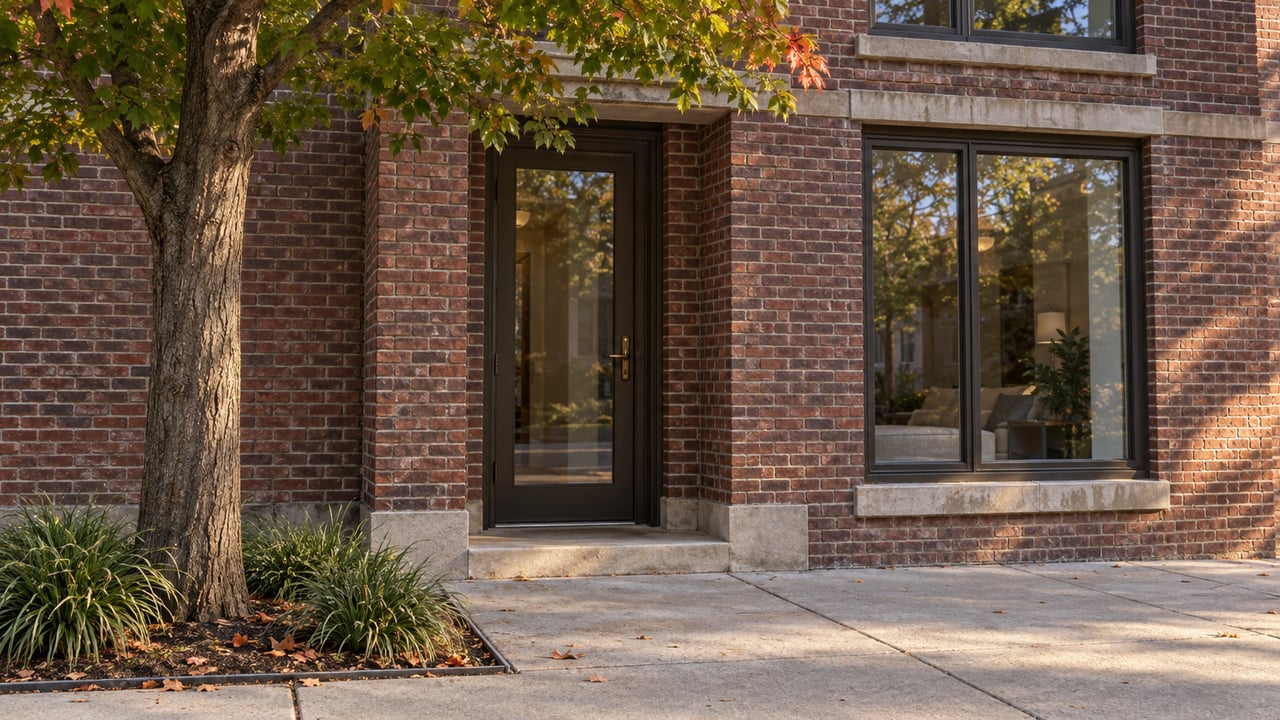
The City says doors, frames, trim, transoms, and sidelites should suit the building’s style, and historic doors should be retained or replicated in kind when possible. A new door in a visible existing wall requires BAR approval.
If you are thinking about a front entry update, keep it simple and style-appropriate. The City notes that clear-glass storm doors that do not obscure the original door are generally acceptable, while visually heavy or ornate storm doors are not.
Roofing, siding, and masonry: avoid unnecessary replacement
Alexandria’s guidance says original roofing should be preserved and repaired whenever possible. Historic wood siding should also be retained and repaired where possible, and front-facing historic wood siding should only be replaced in kind. Aluminum and vinyl siding are not appropriate.
For masonry, the City says painting previously unpainted masonry requires a Certificate of Appropriateness. Repointing or repair proposals are reviewed through administrative approval.
These rules reinforce an important Old Town principle: repair first, replace carefully. That mindset often supports both preservation goals and sensible pre-listing budgeting.
Build your budget around objections
One of the biggest mistakes sellers make is spending money evenly instead of strategically. A better framework is to fund the work that removes the clearest buyer objections first.
A practical Old Town budget often looks like this:
| Priority | Focus | Why it matters |
|---|---|---|
| First | Visible defects and deferred maintenance | Buyers notice these immediately in photos and showings |
| Second | Paint and floor refinishing | These create broad visual improvement across the home |
| Third | Decluttering, styling, and presentation | Helps rooms feel larger, calmer, and move-in ready |
| Fourth | Targeted kitchen or bath refreshes | Updates the spaces buyers compare most closely |
| Last | Major replacements or exterior changes | May require approvals and can be harder to justify before listing |
NAR’s kitchen guidance says spending should reflect the home’s price point and the competing homes in the neighborhood. In Old Town, where buyers often compare finished presentation carefully, the most effective budget is usually the one that helps your home compete cleanly without pushing into over-improvement.
A calm, local approach works best
Selling an Old Town home is rarely about chasing every possible upgrade. It is about understanding what buyers will notice, what the neighborhood supports, and what the City may require before exterior work begins.
That is why pre-listing preparation tends to work best when it is tailored to your specific property. A brick rowhouse, a detached historic home, and a condo each call for a different plan, even within the same neighborhood.
With the right guidance, you can focus your time and budget where it matters most. That means stronger presentation, fewer surprises, and a smoother path to market. If you are thinking about selling in Old Town, Brenda Gail Brown can help you evaluate which updates are worth making before you list.
FAQs
What pre-listing updates matter most for an Old Town Alexandria home?
- Start with visible defects, fresh paint, hardwood floor refinishing if the floors are sound, decluttering, and selective kitchen or bath refreshes.
Do Old Town Alexandria sellers need approval for exterior work?
- If the work is visible from a public right-of-way and the property is in a local historic district, BAR review may be required according to the City of Alexandria.
Should you replace original windows before listing an Old Town home?
- Usually, repair should be considered first because Alexandria’s guidelines favor repairing original windows when possible and do not consider vinyl or insert windows appropriate.
Is staging necessary for every Old Town Alexandria listing?
- No. Some homes benefit from full staging, but many sellers can improve results by decluttering, simplifying rooms, and correcting obvious property faults.
How much should you spend before listing an Old Town Alexandria property?
- Spend first on the updates that remove buyer objections and improve presentation, rather than on large projects that may not match the home’s price point or neighborhood competition.