Love the idea of living somewhere you can walk to coffee, dinner, the waterfront, and a farmers market, all while being surrounded by centuries of history? Old Town Alexandria offers exactly that kind of lifestyle, but it also comes with practical trade-offs that matter when you are deciding where to live. If you are considering a move to Old Town, this guide will help you understand how the neighborhood feels day to day, what kinds of homes you will find, and who tends to thrive here. Let’s dive in.
Old Town at a Glance
Old Town is Alexandria’s historic urban core, and it has been the city’s center since 1749. That history is not tucked away in one corner. It shapes the neighborhood’s streets, buildings, public spaces, and daily rhythm.
For many residents, life in Old Town revolves around King Street and the waterfront. King Street is a city-designated Great Street, and the city says its mile-long corridor includes more than 200 independent restaurants and boutiques. Along the waterfront, you will find 23 acres of parks, trails, shops, dining, historic sites, and a marina.
This is a neighborhood that feels active without losing its character. Historic sites sit near shops and restaurants, and the city’s pedestrian wayfinding signs along King Street, Cameron Street, and the waterfront make it easier to get around on foot.
Walkability Shapes Daily Life
If you want a neighborhood where errands and outings can happen without always getting in the car, Old Town stands out. The street pattern, signage, commercial core, and waterfront access all support a more walkable lifestyle than many nearby neighborhoods.
That walkability shows up in simple ways. You can stroll to Market Square, spend time by the river, stop into a local shop, or meet friends for dinner without planning your day around parking. For many buyers, that ease is one of Old Town’s biggest draws.
The Old Town Farmers’ Market adds to that everyday rhythm. It has operated continuously at Market Square since 1753, though as of 2026 it is temporarily operating on the 100 block of N. Royal Street and at Tavern Square during City Hall and Market Square renovations.
The Waterfront Is Part of Everyday Living
In some places, the waterfront feels like a special-event destination. In Old Town, it is part of regular life. The city describes the waterfront as a place to stroll, bike, relax, and enjoy public space along the river.
That means your weekends can be simple. You might walk along the trail, sit in the park, or enjoy the marina and surrounding public spaces without needing a full itinerary. The waterfront helps give Old Town an open, connected feel that balances the tighter street grid and historic building pattern.
For buyers coming from more suburban settings, this can be a real lifestyle shift. You may trade a larger private yard for easy access to parks, trails, and shared outdoor spaces that are woven into the neighborhood.
Homes Have History and Character
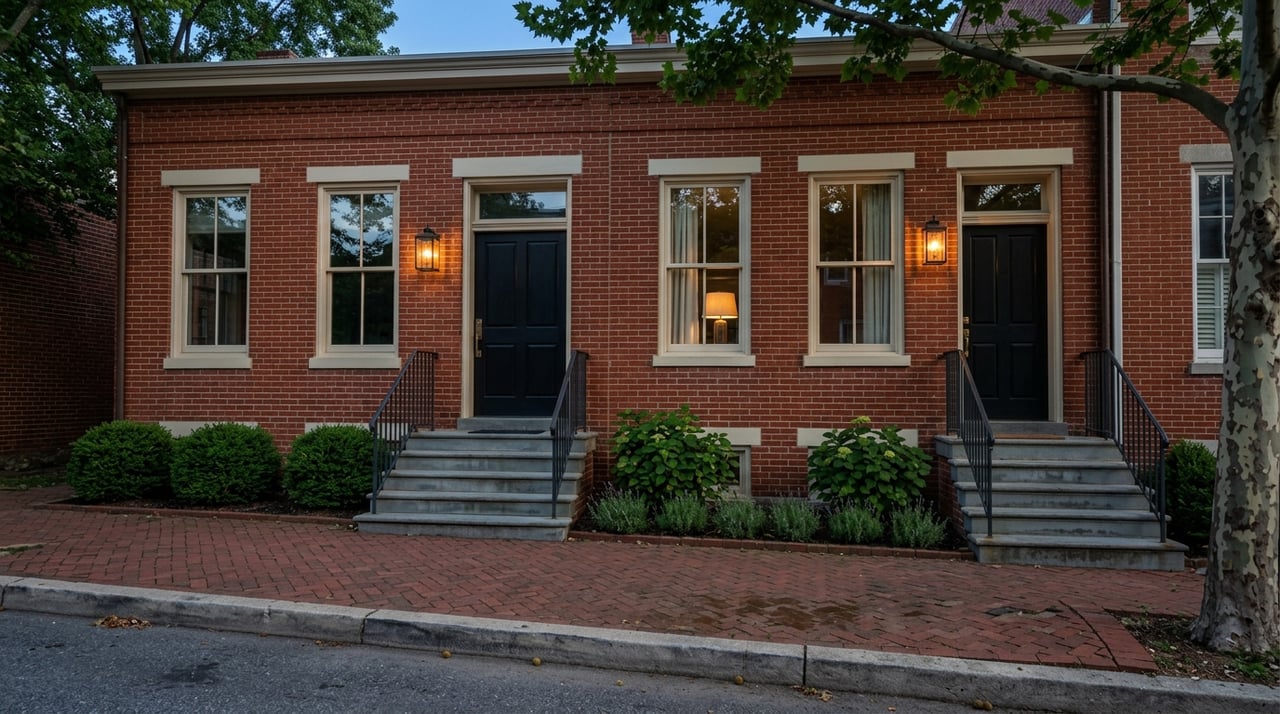
Old Town’s housing stock is unusually old by regional standards. The city says more than 200 structures in Alexandria were built before 1820, and most of them are in Old Town. The Old & Historic District is also the third-oldest historic district in the United States.
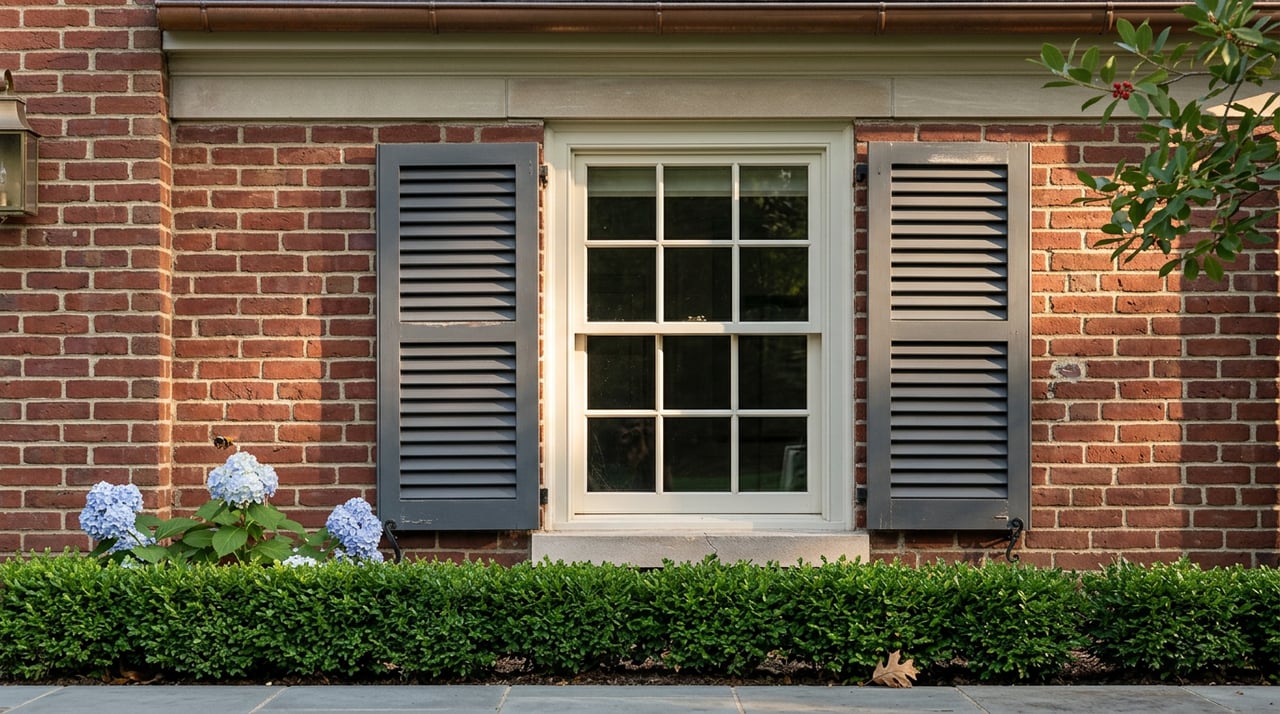
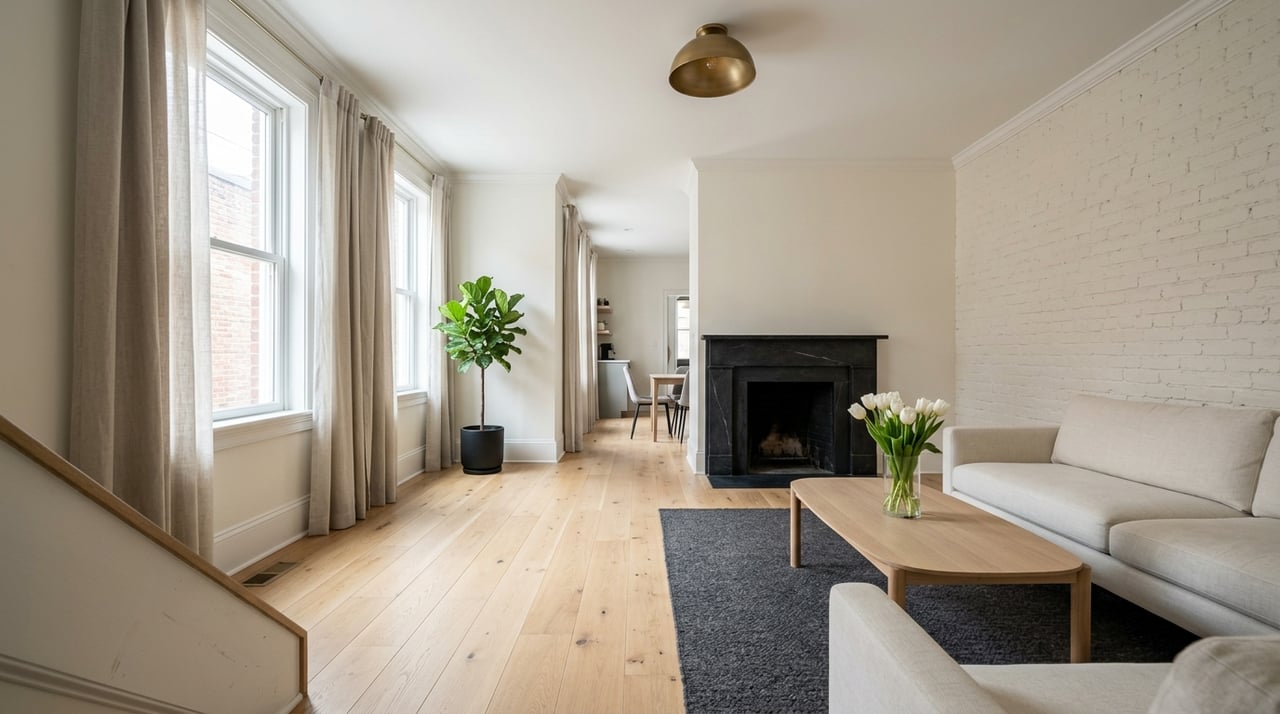
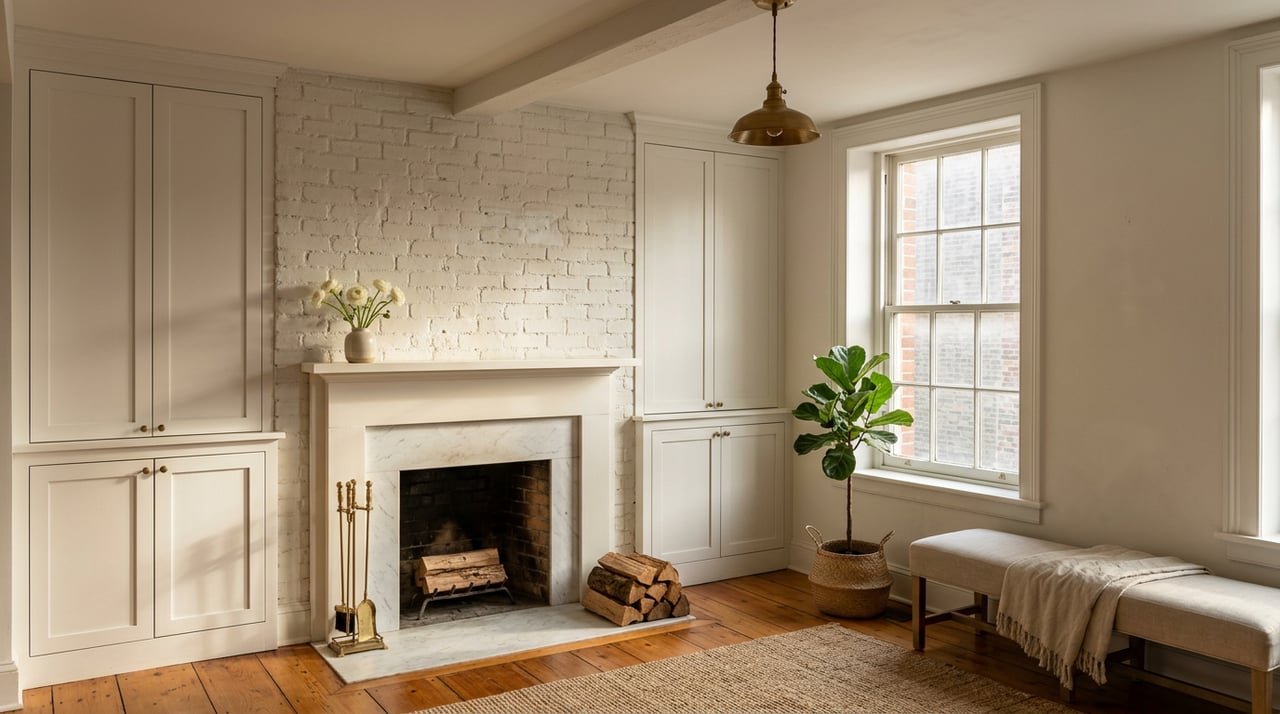
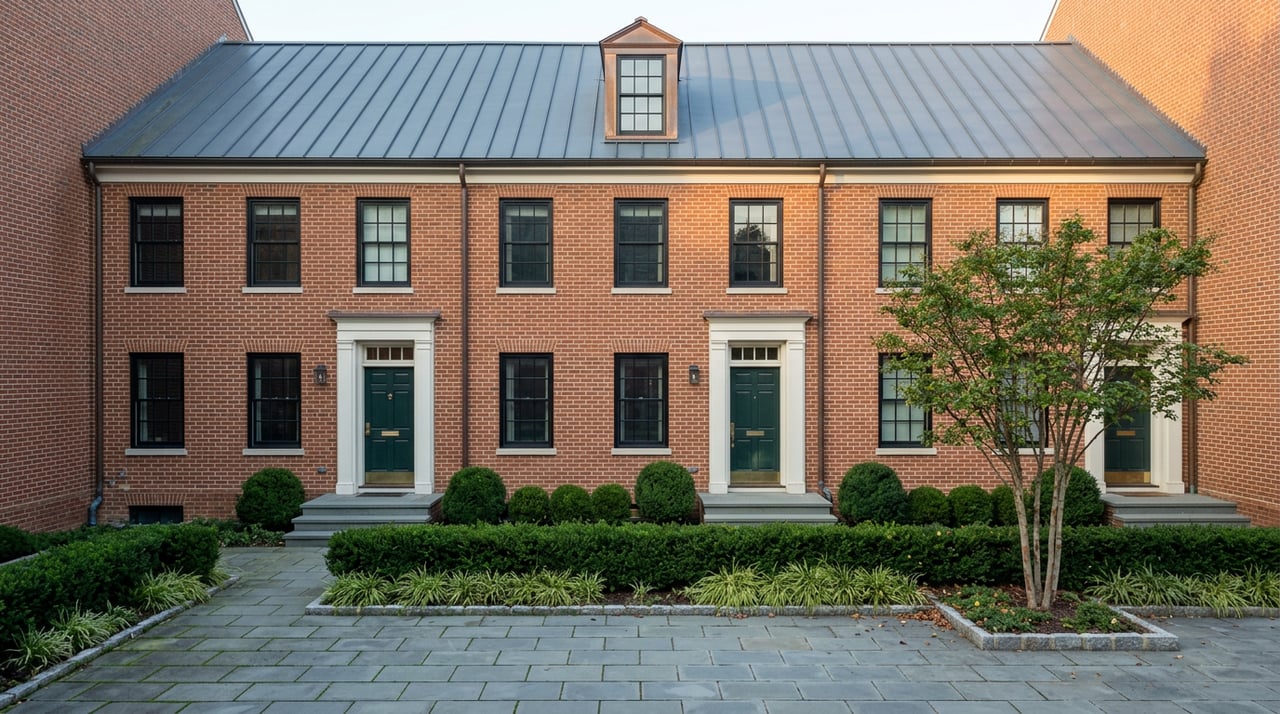
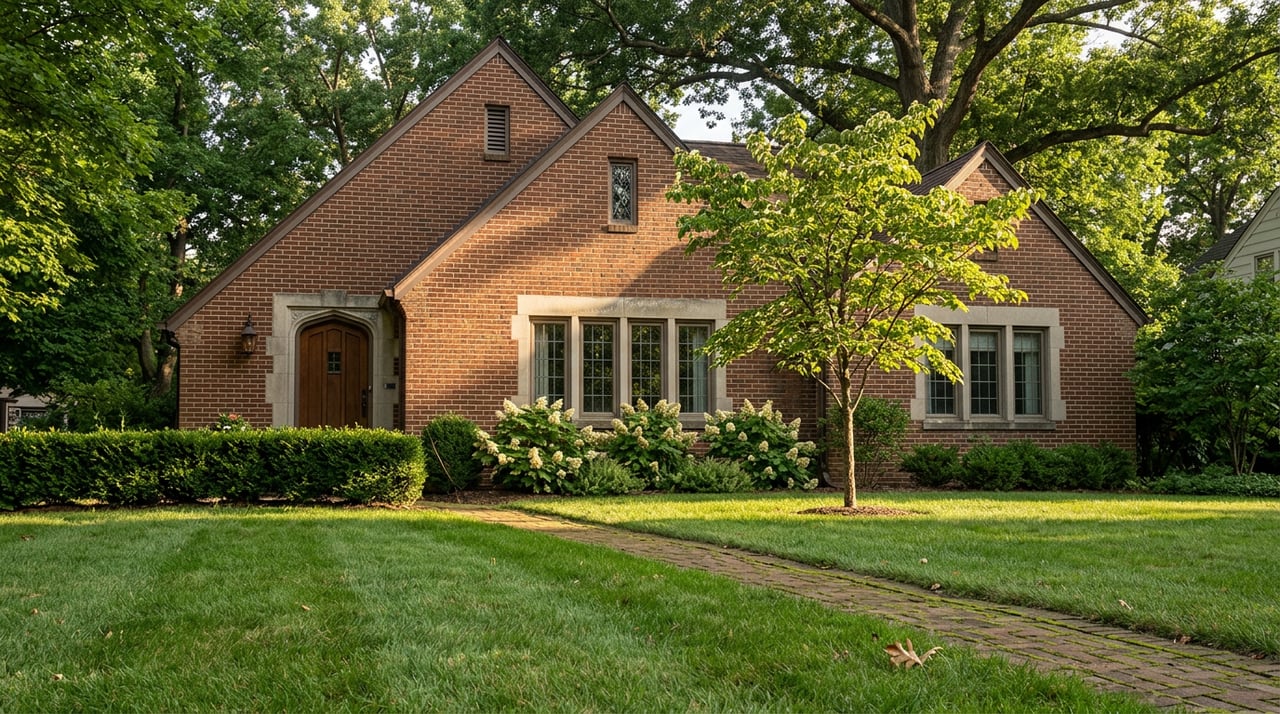
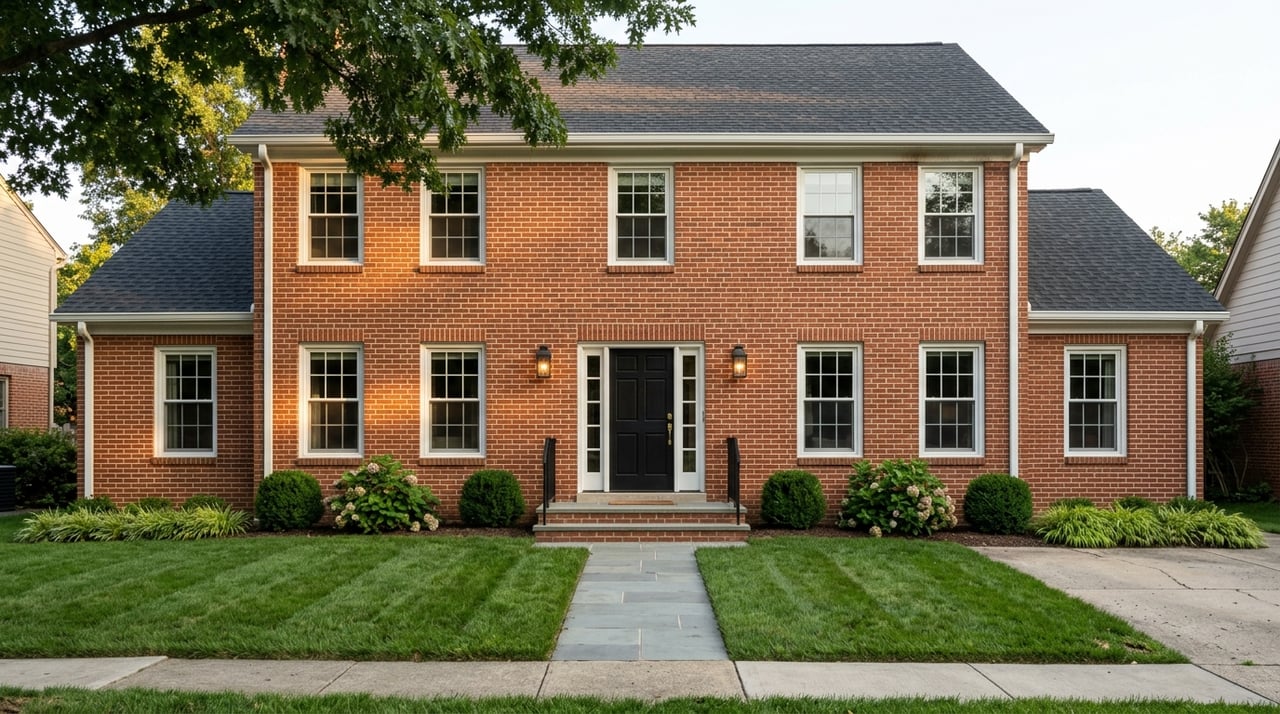
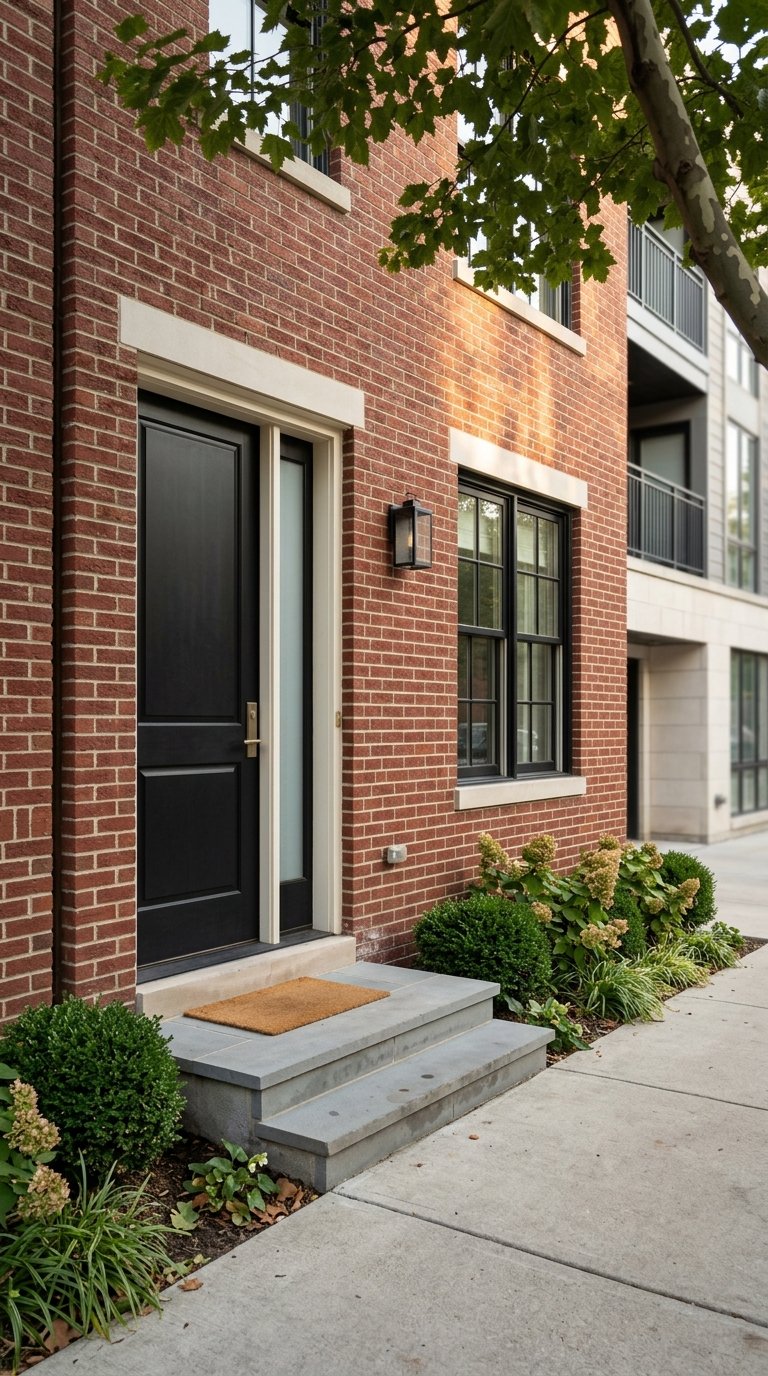
In practical terms, that means the homes here often have strong architectural identity. You will see brick rowhouses, frame dwellings, warehouses converted or preserved within the district context, and individual historic homes on compact urban lots.
The neighborhood includes examples like the Murray-Dick-Fawcett House on Prince Street, described by the city as one of Alexandria’s earliest homes, and the Moses Hepburn Rowhouses on North Pitt Street, which show the enduring presence of 19th-century brick rowhouse living. These examples help illustrate the range of older housing that gives Old Town its distinct look.
Historic Rules Affect Ownership
Charm is a major reason people choose Old Town, but it comes with responsibilities. Because much of the neighborhood is inside a locally regulated historic district, exterior changes may require review through the Board of Architectural Review.
That is important if you want to update a façade, replace windows, change exterior materials, or make other visible alterations. Buyers who love preservation, architectural continuity, and long-term neighborhood character often see this as part of the appeal.
On the other hand, Old Town may be less appealing if you want a blank-slate renovation or the freedom to make exterior changes without added review. It is wise to think about your renovation goals before you buy, especially if flexibility is high on your list.
Expect Compact Lots and Urban Layouts
Old Town functions more like a compact urban district than a suburban neighborhood. Many homes sit on smaller lots, and the street pattern reflects the area’s age and density.
For some buyers, that is a plus. A smaller outdoor footprint can mean less maintenance and more time to enjoy the neighborhood itself. For others, it may feel limiting if a large yard or expansive private space is a top priority.
This is one of the clearest trade-offs in Old Town. You gain proximity, walkability, and character, but you may give up square footage outside and, in some cases, the easier storage and parking arrangements found in newer areas.
Transit and Regional Access Are Strong
Old Town is one of Alexandria’s best neighborhoods for getting around without relying entirely on a car. King St-Old Town Metro, located at 1900 King Street, serves the Blue and Yellow lines and is the closest Metro stop to Old Town and the waterfront.
The station also connects you to Amtrak and VRE next door, which broadens your commuting and travel options. The free King Street Trolley runs every 15 minutes between the station and City Hall and Market Square, and DASH buses also serve Old Town.
Beyond rail and bus access, the neighborhood connects to the Potomac Water Taxi, which links Old Town with the Wharf, Georgetown, and National Harbor. The Mount Vernon Trail and Four Mile Run Trail add regional biking and walking access.
Parking Is the Trade-Off Many Buyers Notice
Old Town can absolutely work if you own a car, but parking is rarely effortless. The city says on-street parking is metered or time-limited, meter parking is limited to two hours, and enforcement is strict.
That does not mean parking is impossible. It does mean you will want to understand your options clearly, whether that is private parking, a garage, permits, or simply adopting a more car-light routine.
If you are comparing Old Town with more suburban neighborhoods, this is one of the biggest day-to-day differences. Buyers who are comfortable walking, using transit, or planning around parking often adjust well. Buyers who want easy, abundant parking right outside the door may find it more frustrating.
Old Town Has a Layered Civic History
Old Town is often known for colonial streetscapes and waterfront views, but that is not the whole story. The neighborhood also includes sites connected to Alexandria’s African American history, including the Parker-Gray Historic District in the northwest quadrant of Old Town.
The city identifies Parker-Gray as historically Black, and it includes places such as the Moses Hepburn Rowhouses among African American sites listed on the National Register. That layered civic history is part of what makes Old Town feel substantial and textured rather than purely picturesque.
For residents, that means the neighborhood offers more than visual charm. Its public spaces, preserved buildings, and museums reflect multiple chapters of Alexandria’s past.
Who Old Town Fits Best
Old Town tends to be a strong fit if you want a history-rich, walkable neighborhood with a lively local business scene and strong transit access. It especially appeals to buyers who enjoy being close to restaurants, markets, museums, trails, and the waterfront.
You may be especially happy here if you value:
- Walkability for daily errands and dining
- Distinctive architecture and older homes
- Transit options beyond driving
- A compact, urban neighborhood feel
- Public spaces along the waterfront
Old Town may be a weaker fit if your priorities lean in a different direction. Some buyers prefer more private outdoor space, easier parking, newer construction, or fewer restrictions on exterior updates.
What Living Here Really Feels Like
The simplest way to think about Old Town is this: it feels self-contained, connected, and deeply rooted in place. You are not just buying a home here. You are buying into a daily rhythm shaped by walkable blocks, preserved architecture, public waterfront space, and a long-established local business corridor.
That combination is hard to replicate elsewhere in the region. It gives Old Town a distinctive identity that attracts buyers who want both lifestyle and location, not just square footage.
If you are weighing whether Old Town matches your priorities, it helps to look beyond the postcard version. The right fit comes down to how you want to live every day, from commuting and parking to home style and renovation goals.
If you are thinking about buying or selling in Old Town Alexandria, Brenda Gail Brown can help you evaluate the neighborhood with clear guidance, local insight, and a steady, practical approach.
FAQs
What is everyday life like in Old Town Alexandria?
- Everyday life in Old Town Alexandria is shaped by walkability, local shops and restaurants on King Street, public waterfront access, historic sites, and frequent opportunities to get around without a car.
What types of homes are common in Old Town Alexandria?
- Old Town Alexandria is known for older housing such as brick rowhouses, frame dwellings, and individual historic homes, often on compact urban lots with strong architectural character.
Is Old Town Alexandria a good fit if you want a modern home?
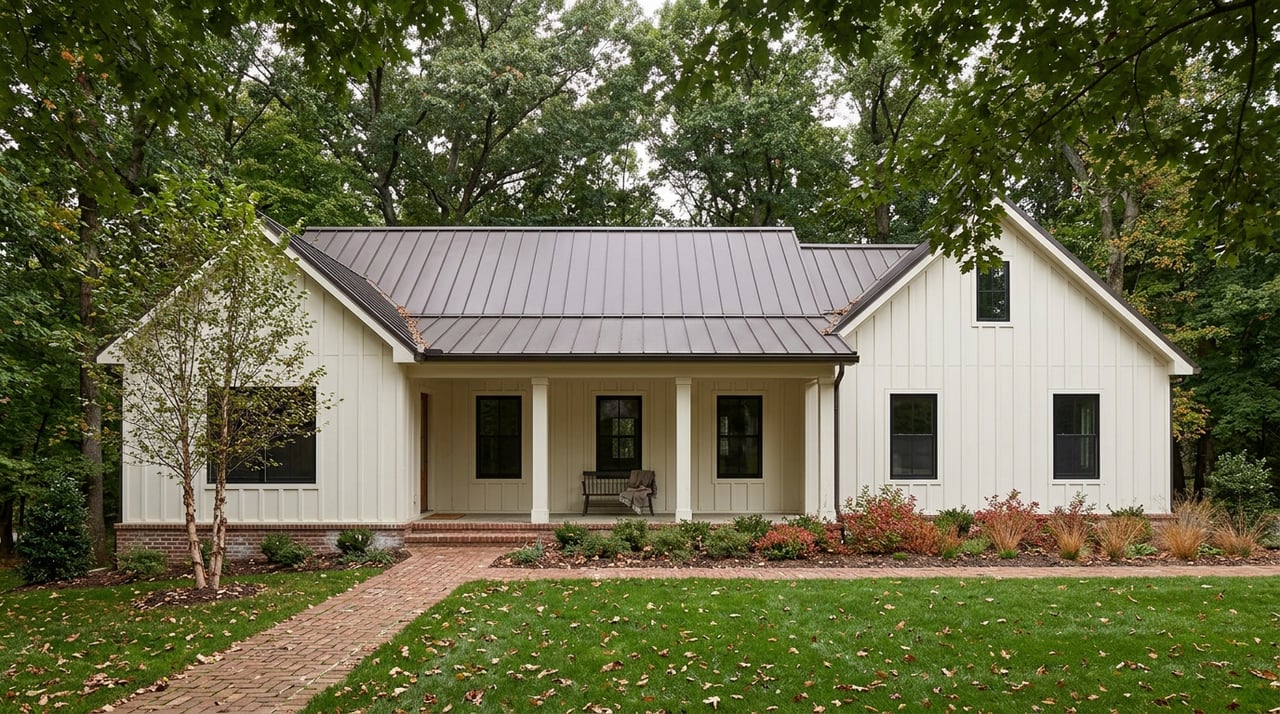
- Old Town Alexandria has some newer or lower-maintenance housing closer to redevelopment edges and the waterfront, but much of the neighborhood is defined by preserved historic homes rather than large amounts of new construction.
How easy is it to commute from Old Town Alexandria?
- Old Town Alexandria offers strong access to Metro, Amtrak, VRE, the free King Street Trolley, DASH buses, water taxi service, and regional trails, which makes commuting and getting around the region relatively convenient.
Is parking difficult in Old Town Alexandria?
- Parking in Old Town Alexandria is workable but often less convenient than in suburban neighborhoods because on-street parking is metered or time-limited and enforcement is strict.
Do historic district rules affect homes in Old Town Alexandria?
- Yes, many homes in Old Town Alexandria are within a locally regulated historic district, so certain exterior changes may require review, which is important to understand before buying.