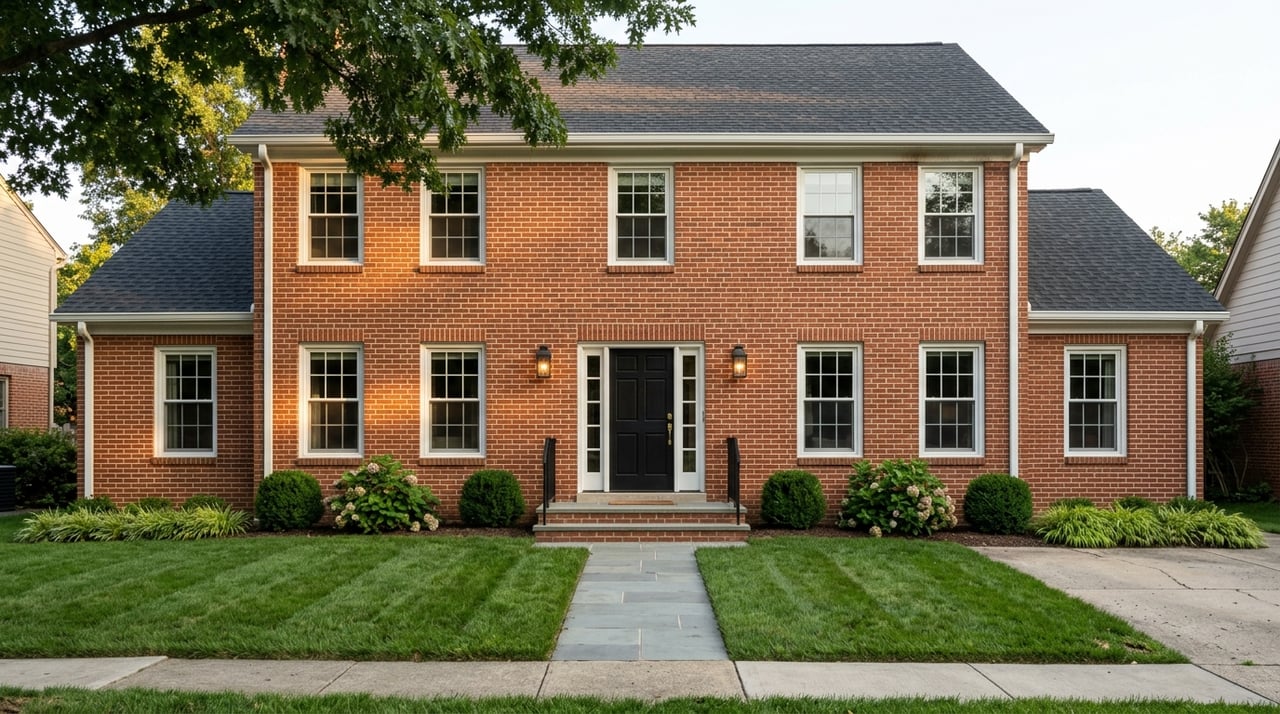
In April 2026, Arlington County's average home sale price hit $1,061,497 across 224 transactions, the second consecutive month the county's monthly average cleared seven figures. It followed March's $1,004,052, itself a record at the time. Two months, two milestones, and a headline that will show up in every year-end recap of the Arlington market.
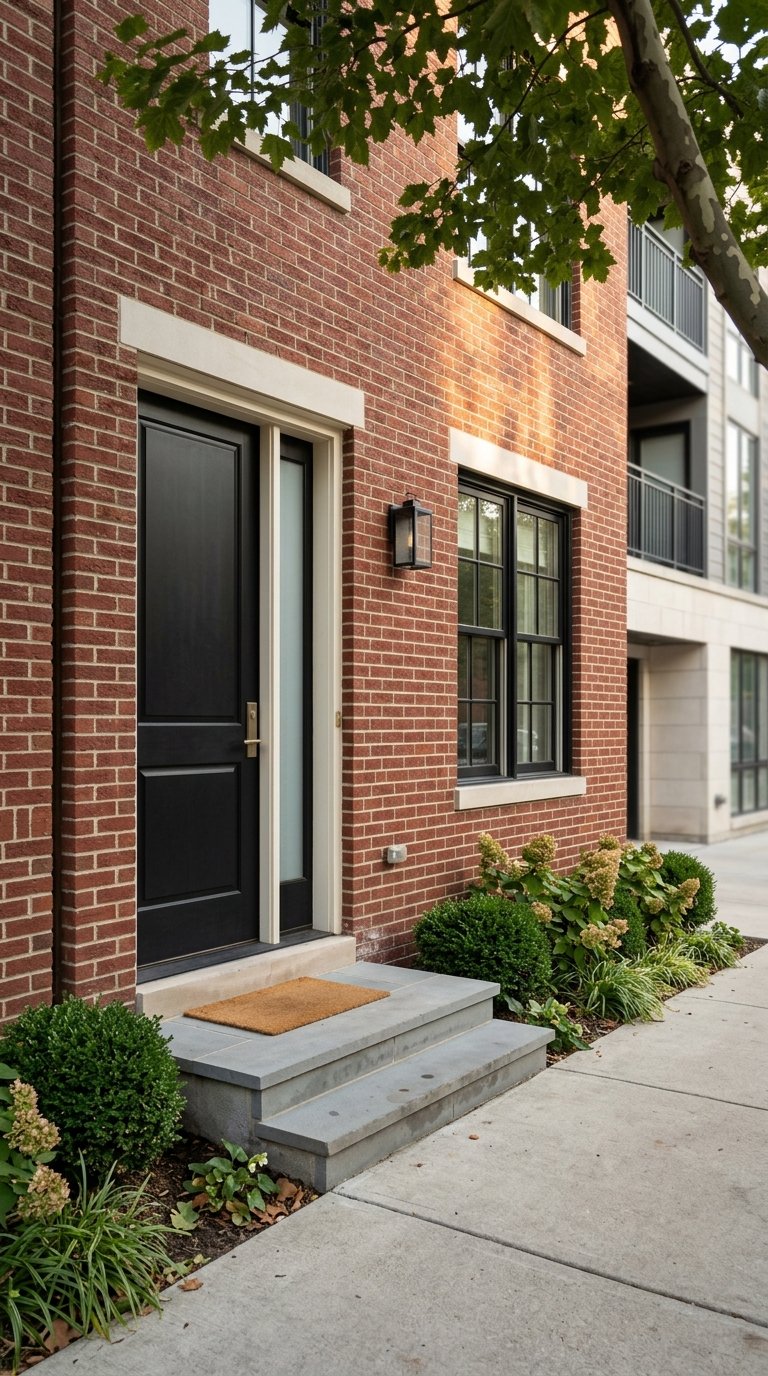
If you own a condo in Court House, Clarendon, or Ballston, that number describes almost nothing about your building. The average condo sale in that same window sat around $528,000, and condo and townhome closings across Arlington were running roughly 25 percent below the prior year even as prices held flat. Two segments of the same county, moving in opposite directions, folded into one average that flatters neither story on its own.
What the Average Is Actually Averaging
An average blends everything that sold. When one segment pulls hard in one direction, the blended number stops describing either segment well. That is what happened this spring. Single-family homes in North Arlington, where the buildable lots ran out years ago, saw high-income buyers competing aggressively for houses that will never be replaced. Condos, sitting in a much larger and more price-sensitive buyer pool, saw fewer transactions and softer demand.
Lisa Sturtevant, chief economist at Bright MLS, described the split this way when Arlington's April numbers came out:
"While the spring housing market got off to a slow start, both buyers and sellers were much more eager in April. There is significant pent-up demand in the marketplace, but higher-income buyers are the ones primarily driving activity while budget-conscious buyers remain more sensitive to rate volatility and economic uncertainty."
That is the mechanism in one sentence. The buyers with the most cash and the least rate sensitivity are the ones showing up for single-family houses. The buyers who are more likely to be shopping condos, first-time purchasers, budget-conscious households, people stretching to get into Arlington at all, are the ones holding back.
The Northern Virginia Association of Realtors and George Mason University's Center for Regional Analysis put numbers on the divergence in their 2026 county-by-county forecast: Arlington single-family prices were projected to rise 3.8 percent for the year, second only to Alexandria's 4.2 percent among Northern Virginia jurisdictions. Condos were projected at 2.1 percent, a modest recovery after a 7.4 percent decline in 2025. Condo inventory was forecast to grow 30.9 percent, meaning more choice for buyers and less leverage for sellers.
| Single-Family | Condo | |
|---|---|---|
| 2025 price trend | Stable to rising | Declined ~7.4% |
| 2026 NVAR forecast | +3.8% | +2.1% |
| 2026 inventory forecast | +27.8% | +30.9% |
| April 2026 average price | Pulled county average past $1M | ~$528,000 |
Why a Thinner Market Swings Harder
There is a second reason the condo number looks so different from the single-family number, and it has nothing to do with desirability. When transaction volume drops by a quarter, the average price becomes far more sensitive to which specific units happen to sell in a given month. A handful of higher-end condo closings can push the average up. A cluster of smaller, older-building sales can pull it down. None of that volatility is really about the underlying value of any individual unit. It is a statistical artifact of a thinner market, and it is one more reason a single countywide condo average is a weak tool for pricing a specific unit in a specific building.
Three Reasons Condos Are Behaving Differently
The gap between segments is not random. A few structural forces are doing the work.
- Rising HOA fees are eating into buyer purchasing power. Association budgets have climbed with general inflation over the past three years, and that shows up directly in what a buyer can qualify for on a given unit.
- Luxury rental buildings are competing directly with resale condos. When a renter can get comparable finishes and amenities at a comparable monthly cost without taking on ownership risk, some of that demand simply stays in the rental pool instead of converting to a purchase.
- Federal workforce uncertainty has hit the entry-level buyer pool hardest. Condos are disproportionately purchased by first-time buyers, and that population is also the most sensitive to job security and rate volatility, which is exactly the group the region's employment disruptions have touched most directly over the past year and a half.
The Commodore Sale Complicates the Story
If condo demand were simply collapsing, you would not expect to see institutional capital paying premium prices for large residential buildings in the same submarket. In June 2026, Boston-based General Investment and Development closed on The Commodore, the 20-story, 423-unit luxury tower next to the Court House Metro station, paying about $216 million to Greystar Real Estate Partners. The building, rebranded Windsor Courthouse, includes roughly 18,461 square feet of ground-floor retail and sits directly on top of the Metro tunnels. Virginia Business reported the sale as one of the largest multifamily transactions in the corridor this year, and Berkadia, which arranged the deal on Greystar's behalf, called it an ideal investment opportunity in the D.C. metro given the building's design, amenity package, and transit-oriented location.
That is not a contradiction of the condo slowdown. It is a clarification of what kind of buyer is still confident in Court House. As a rental property, The Commodore is a different kind of asset from an individual condo. Individual condo buyers are underwriting a mortgage against near-term rate movement, HOA fee trajectories, and their own job security. Those are different kinds of purchases, and right now they are producing different answers even within the same three or four blocks.
What This Means Depending on What You're Shopping
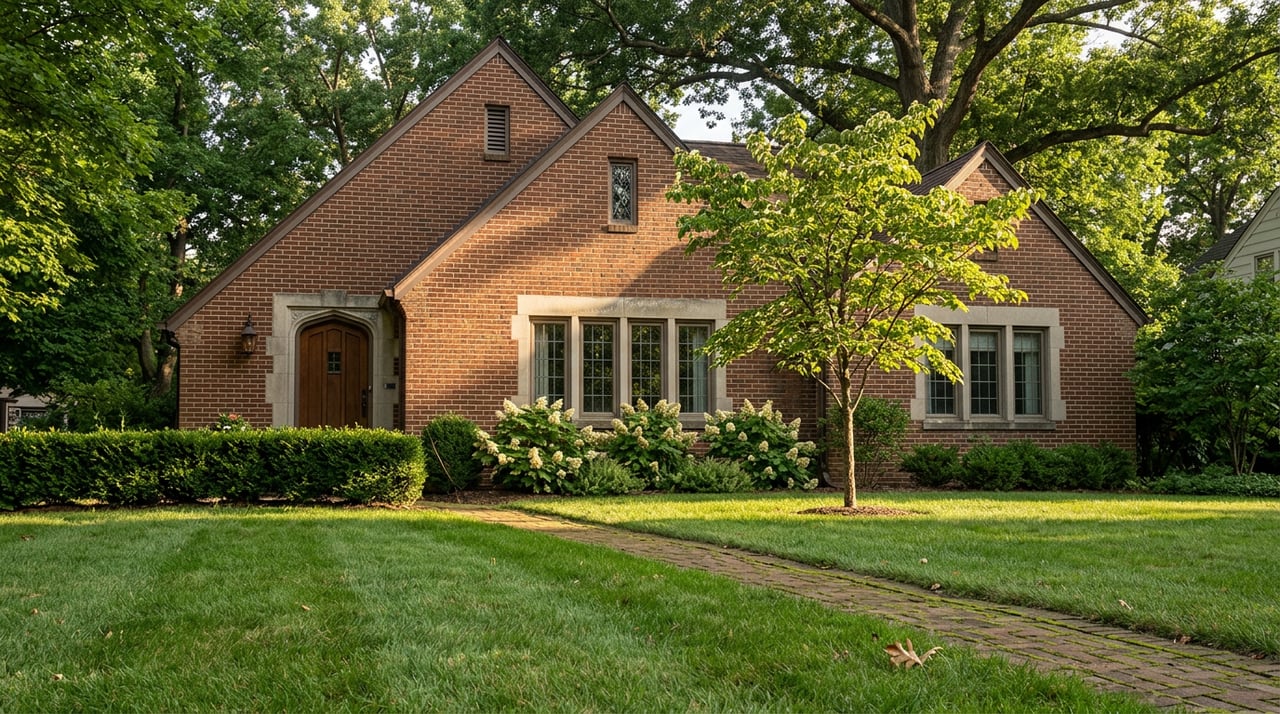
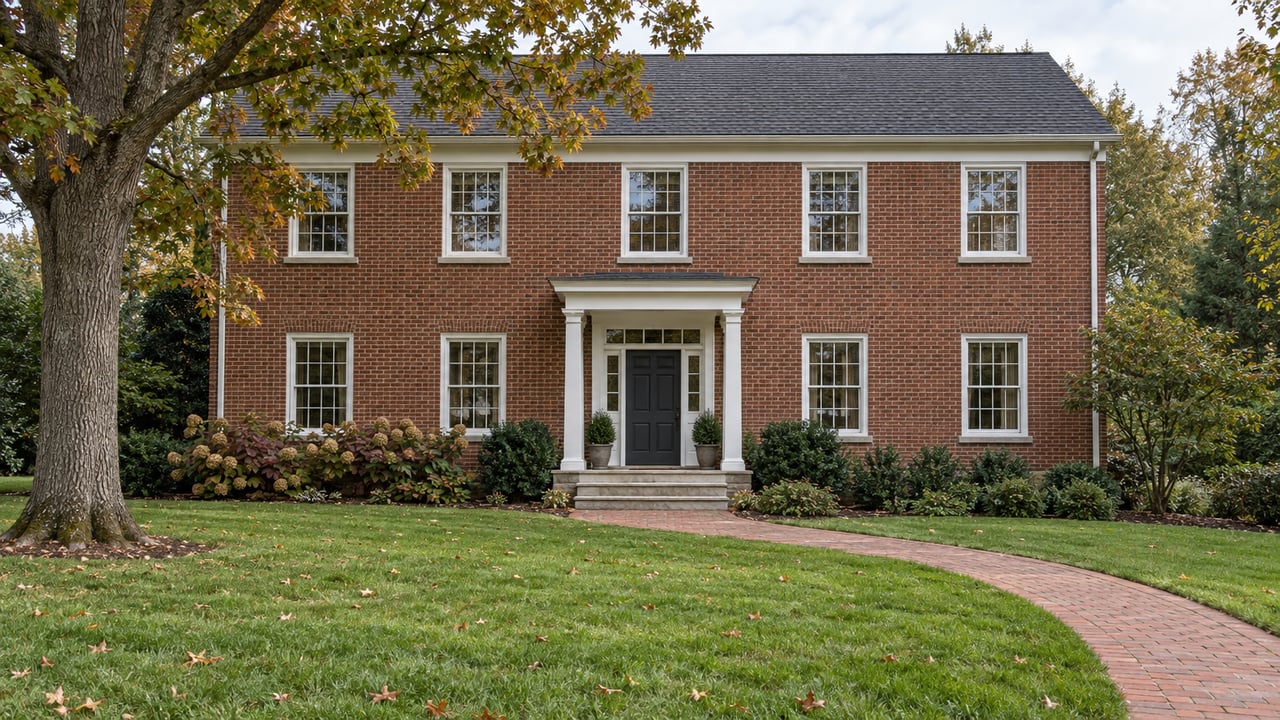
If you are looking at single-family homes in North Arlington, in Lyon Village, Ashton Heights, or Cherrydale, the record pricing is real and reflects genuine competition for a fixed supply. Arlington is essentially built out for new detached construction, and that scarcity is not a temporary condition. Buyers in this segment should expect to move decisively and come prepared with financing in order, because the pool of comparable properties is not growing.
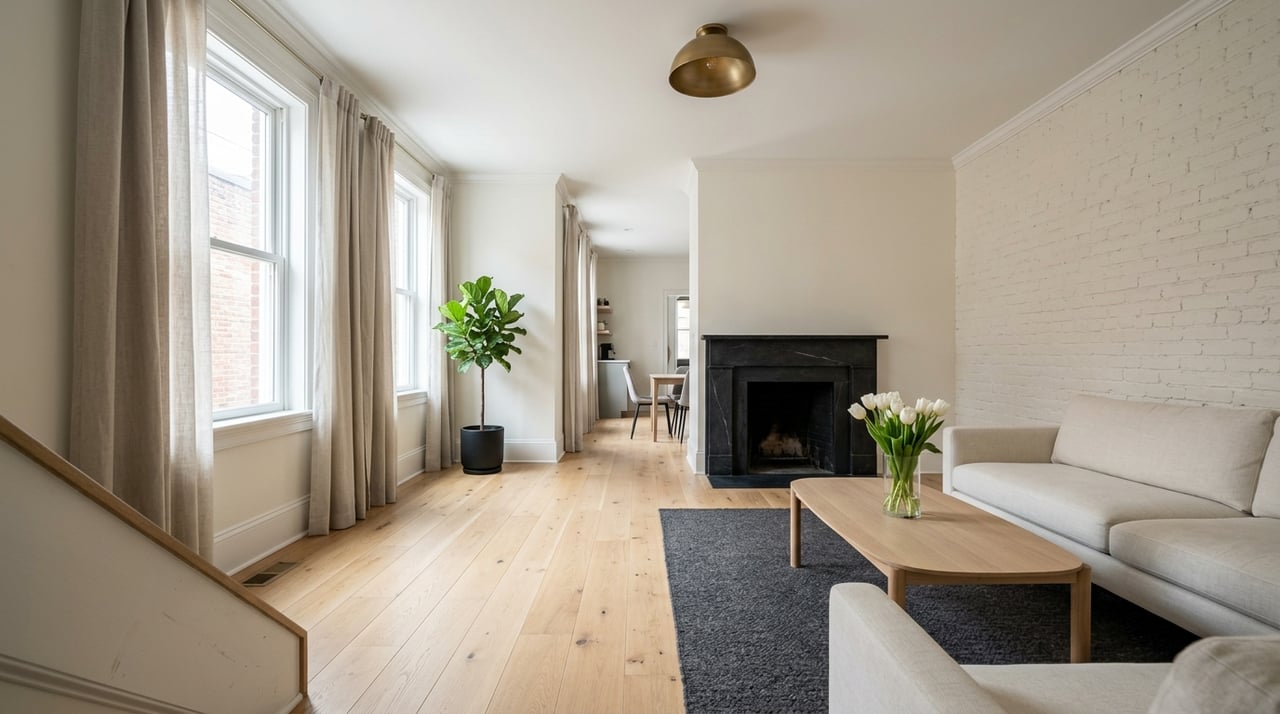
If you are looking at condos in Rosslyn, Clarendon, or Court House, the calculus is different. Inventory is rising, sellers have less leverage than they did two years ago, and a careful buyer has room to negotiate, particularly on units in buildings with strong reserve funds and no pending special assessments. A building's financial health is doing as much work in this market as the unit's square footage. For sellers in this segment, realistic pricing and clear documentation of the association's finances will matter more than they did during the pandemic-era surge, when almost anything sold quickly regardless of building condition.
Arlington's own price data through July 2026 puts the county's median sale price at $835,000 over the trailing three months, up 7.7 percent year over year, with price per square foot at $509. That county-level number is useful as a general temperature check. It is not a substitute for knowing which of Arlington's two markets your specific property belongs to.
A Few Questions Worth Settling Early
Does the condo slowdown mean Arlington condos are a bad purchase right now? Not necessarily. Rising inventory and softer competition mean a patient buyer with stable income has more negotiating room than in recent years. The NVAR forecast does not project broad price declines for 2026, only slower appreciation than single-family homes. Buyers with a three to five year horizon have historically done well buying into a plateau rather than waiting for a recovery to be fully priced in.
Will the single-family and condo markets converge again? They may narrow if mortgage rates ease and rate-sensitive buyers regain confidence, since Bright MLS's own commentary points to pent-up demand that has not yet reached the condo segment. Convergence depends on factors outside any single buyer's control, including federal employment stability and the pace of rate movement, so it is not something to plan a purchase timeline around.
Arlington's headline numbers will keep making news through the rest of 2026. Reading them well means asking which Arlington they are actually describing before you decide what they mean for you.
If you are trying to figure out where your own Arlington purchase or sale fits into this picture, Brenda Gail Brown can walk through the specific submarket and building data that the countywide average leaves out. Let's Connect.